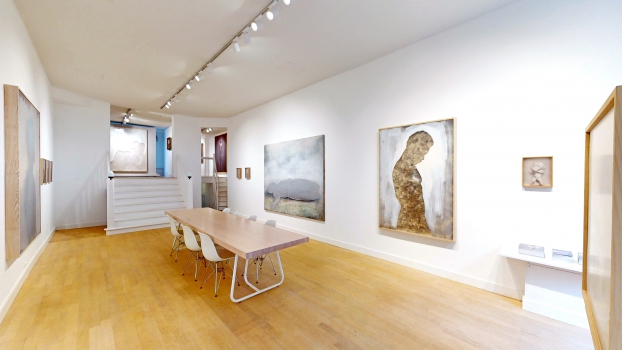
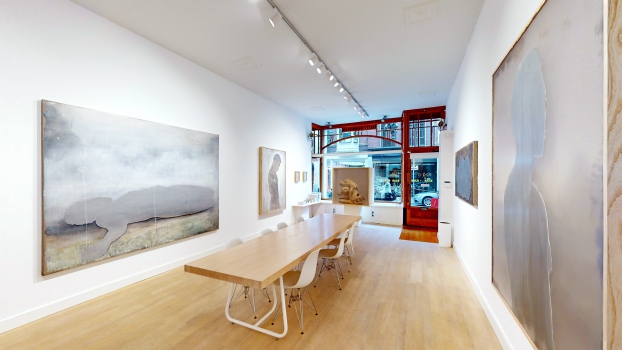
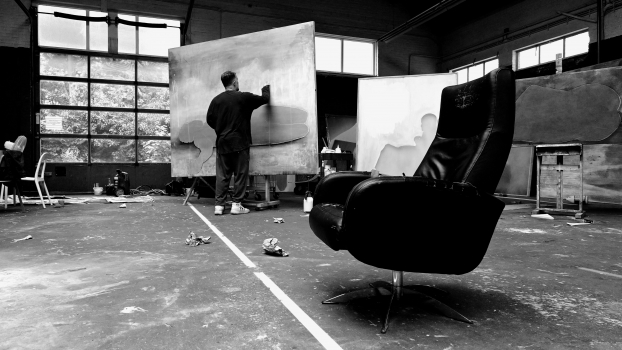
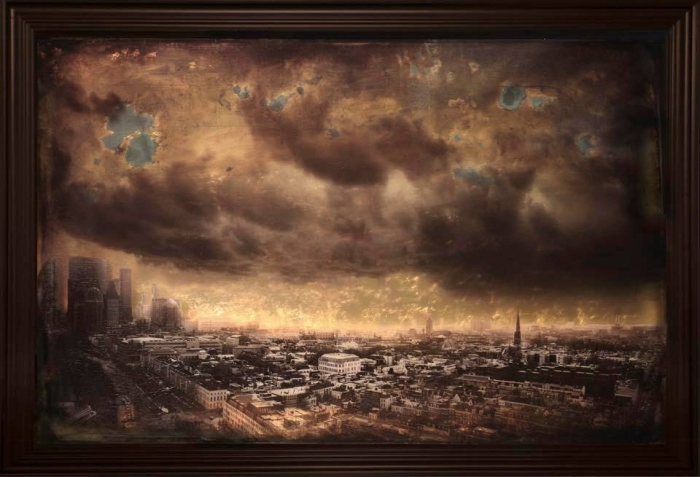
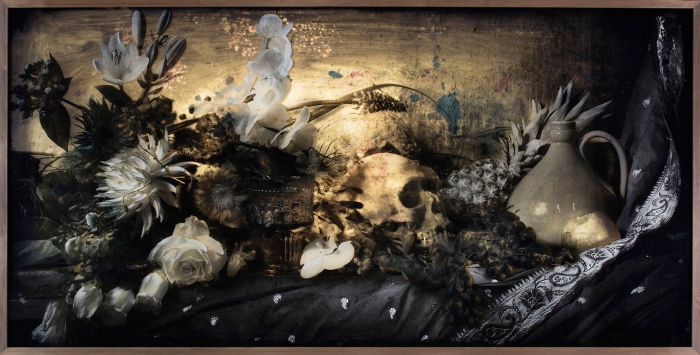
Visual artist Casper Faassen (1975) has been fascinated from a young age by unattainable 17th century artist such as Rembrandt and Van Goyen. The drawing of aspects of life that are unreachable is something Faassen developed when he was young. Faassen himself calls this ‘recollecting’. He makes the elusive his own by adding multiple layers. By applying these multiple layers he plays with the tension between the what disappears and appears, between the visible and invisible.
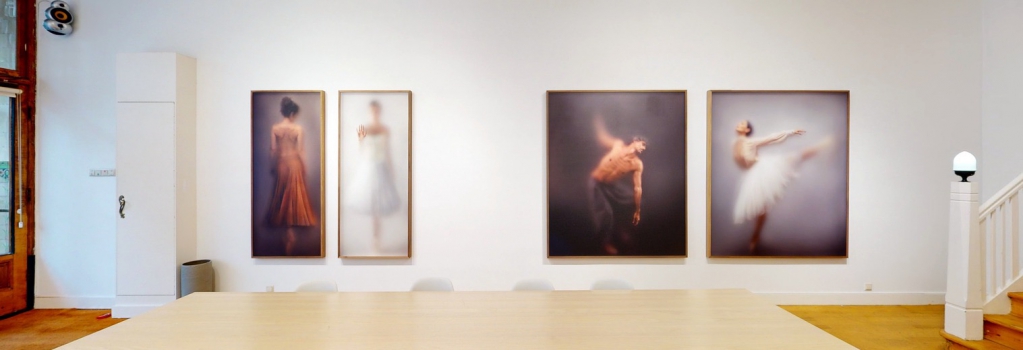
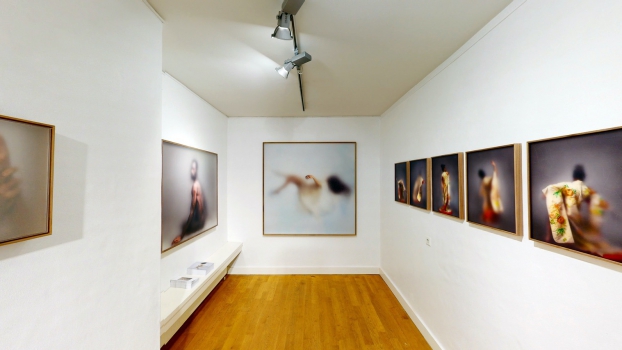
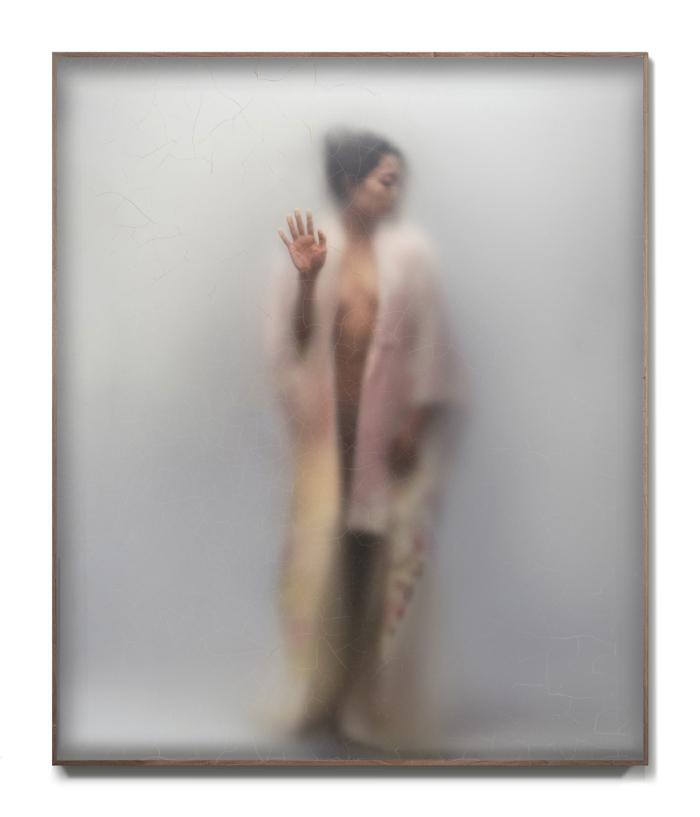
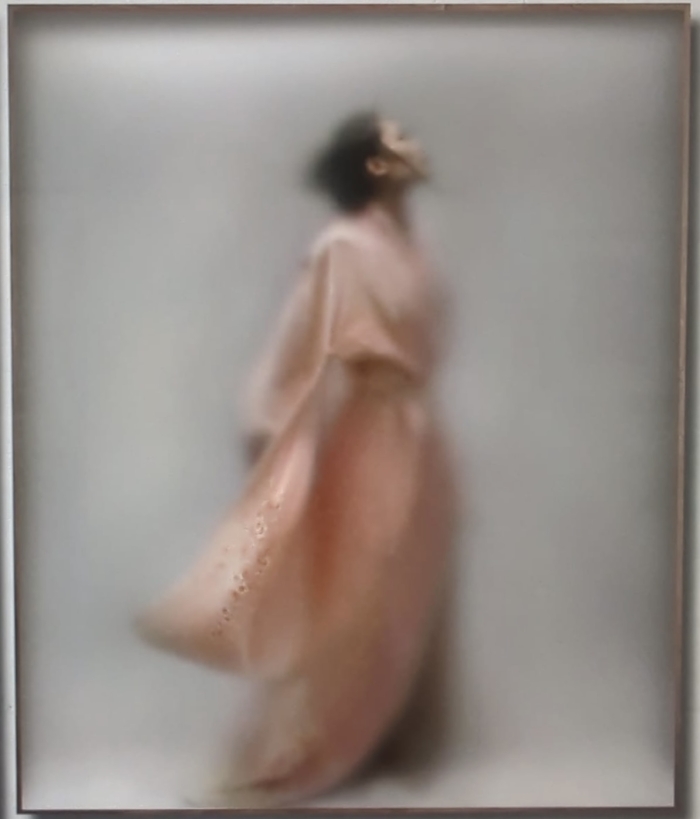
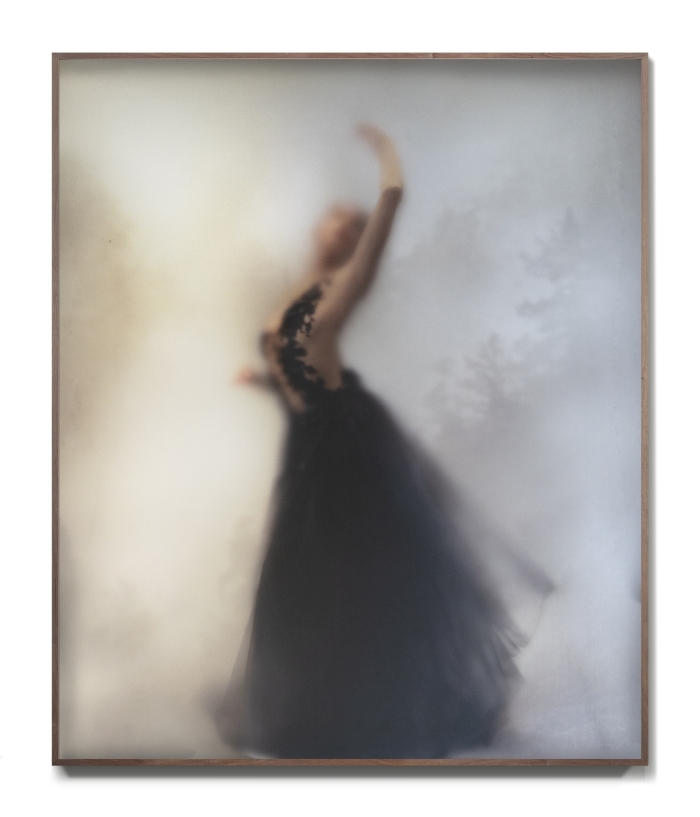
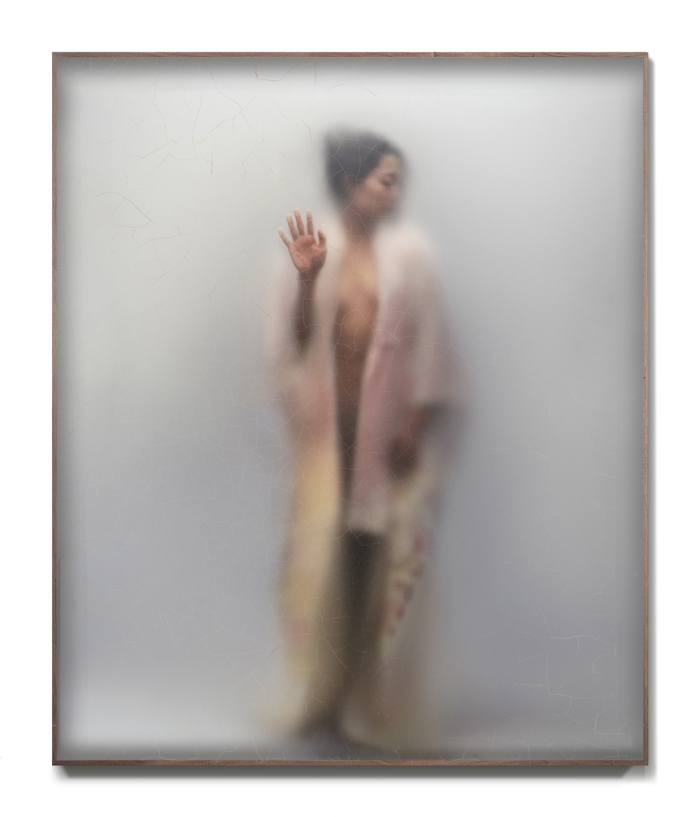
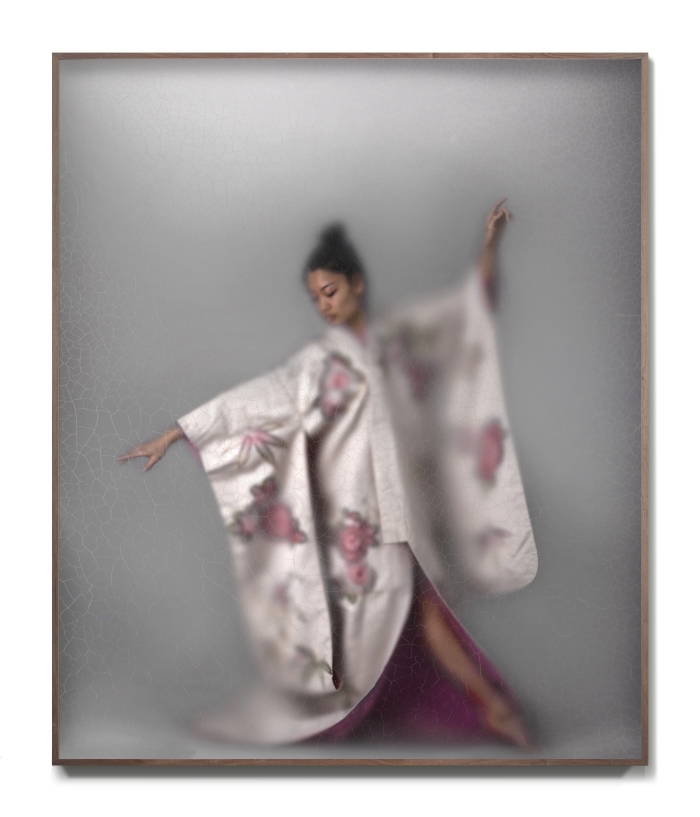
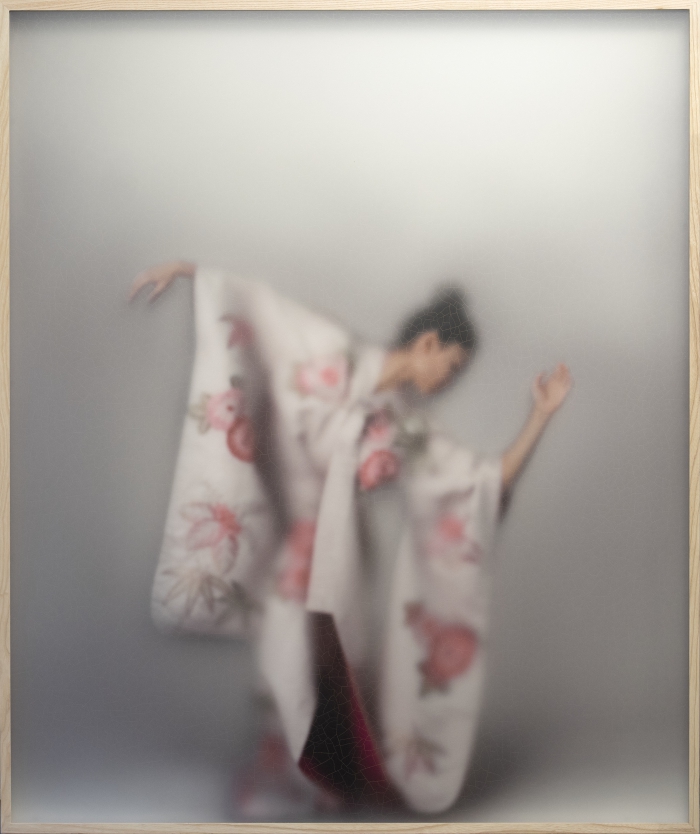
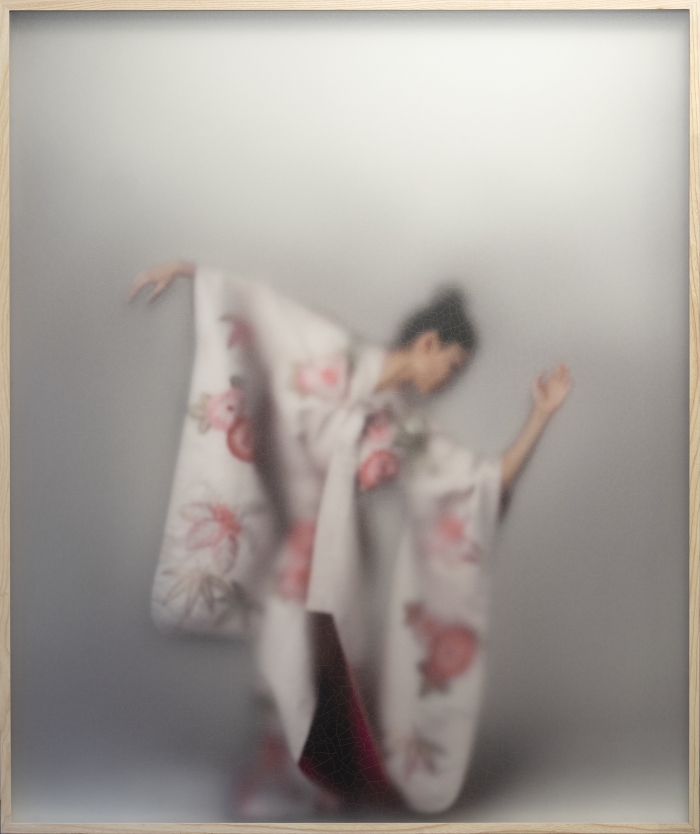
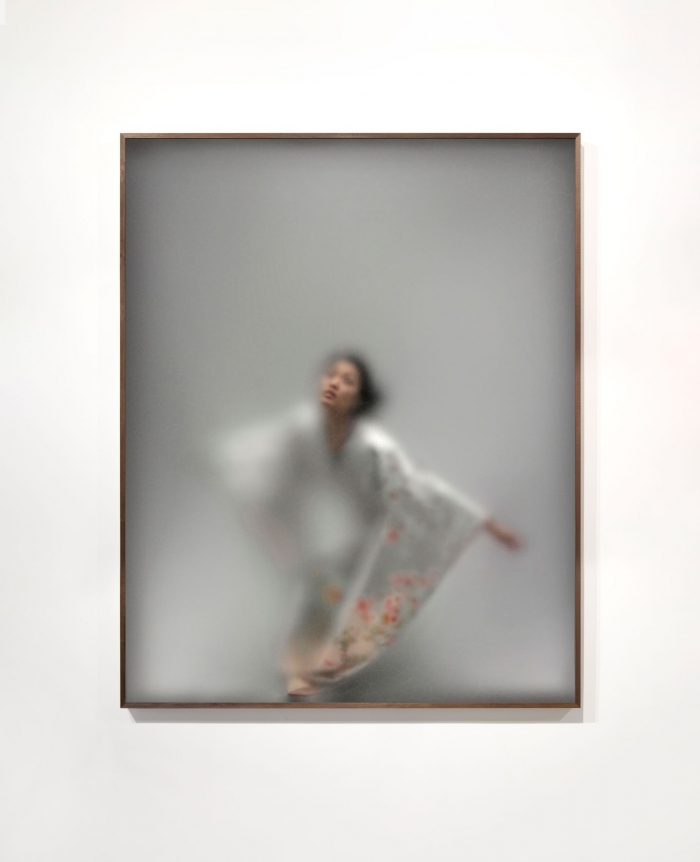
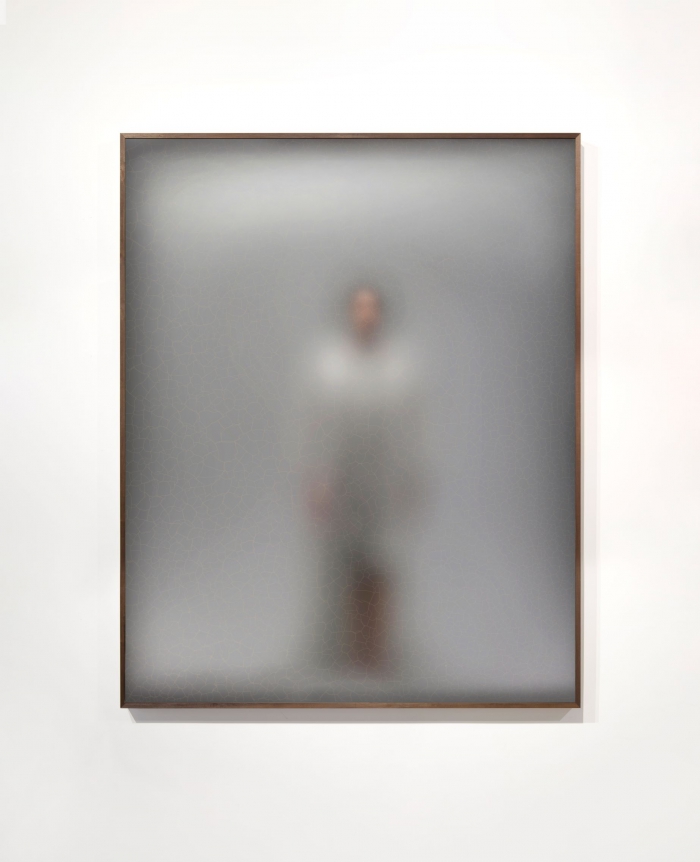
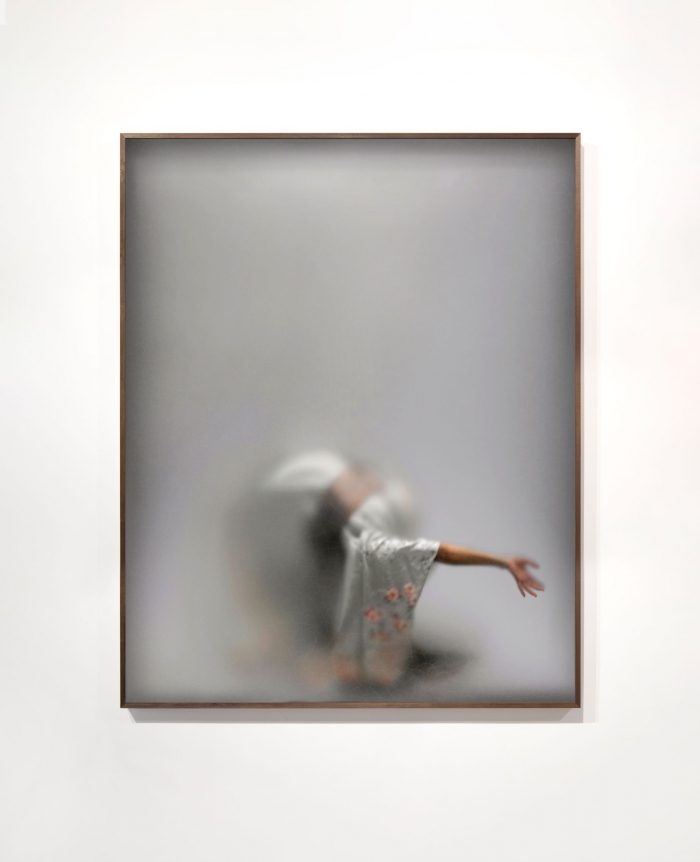
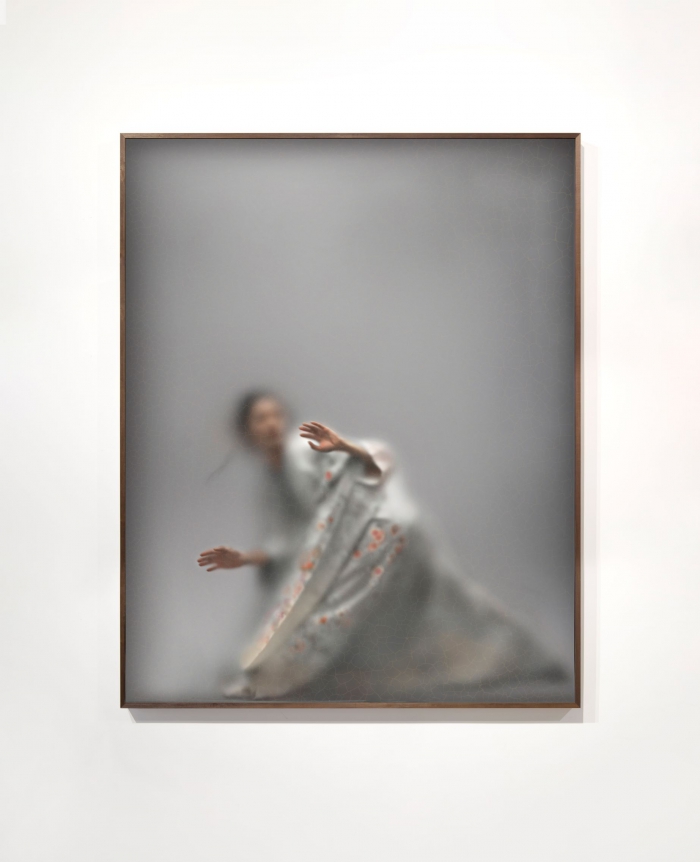
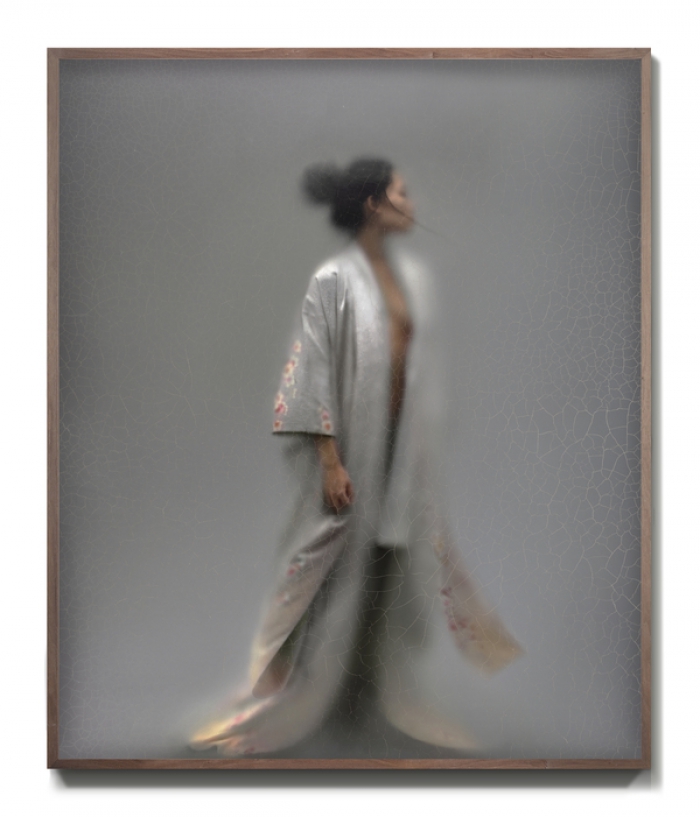
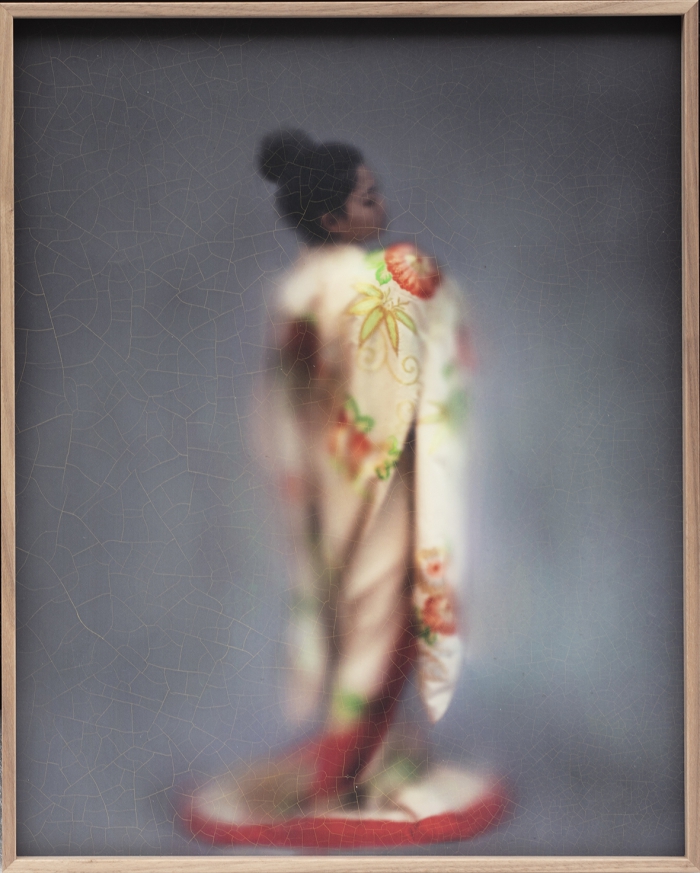
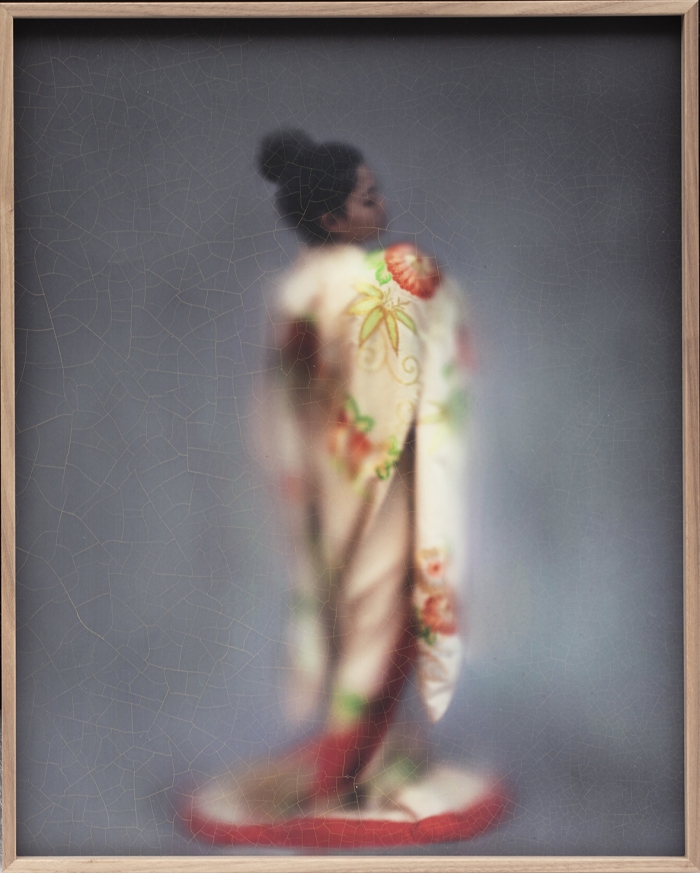
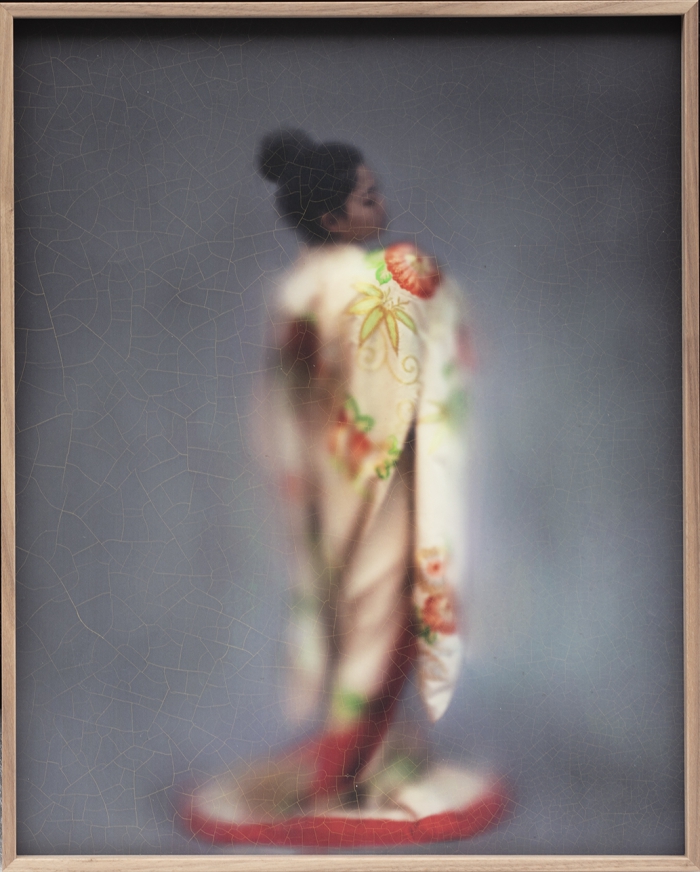
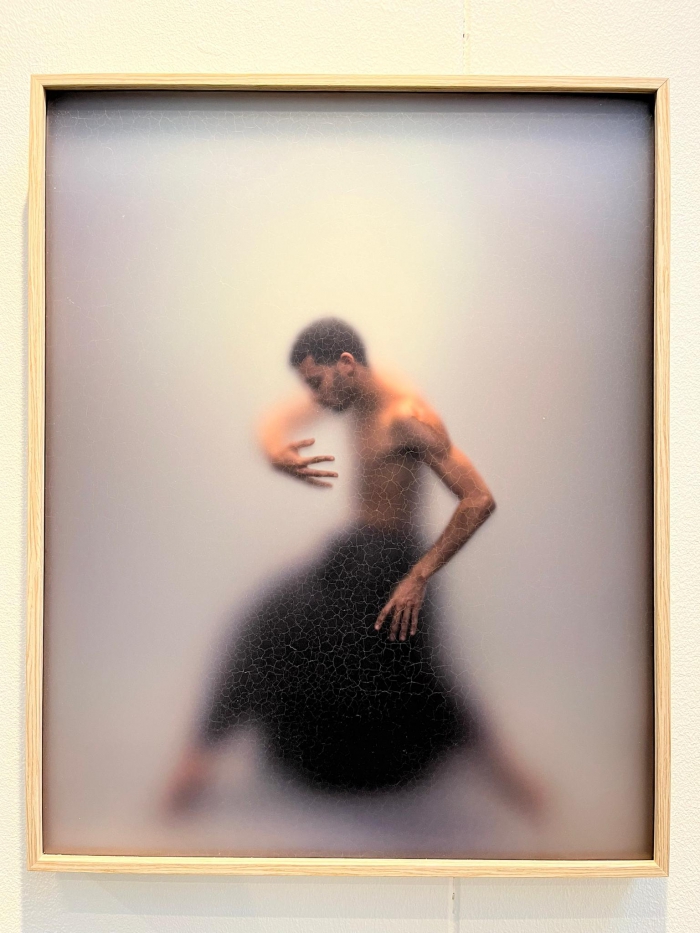
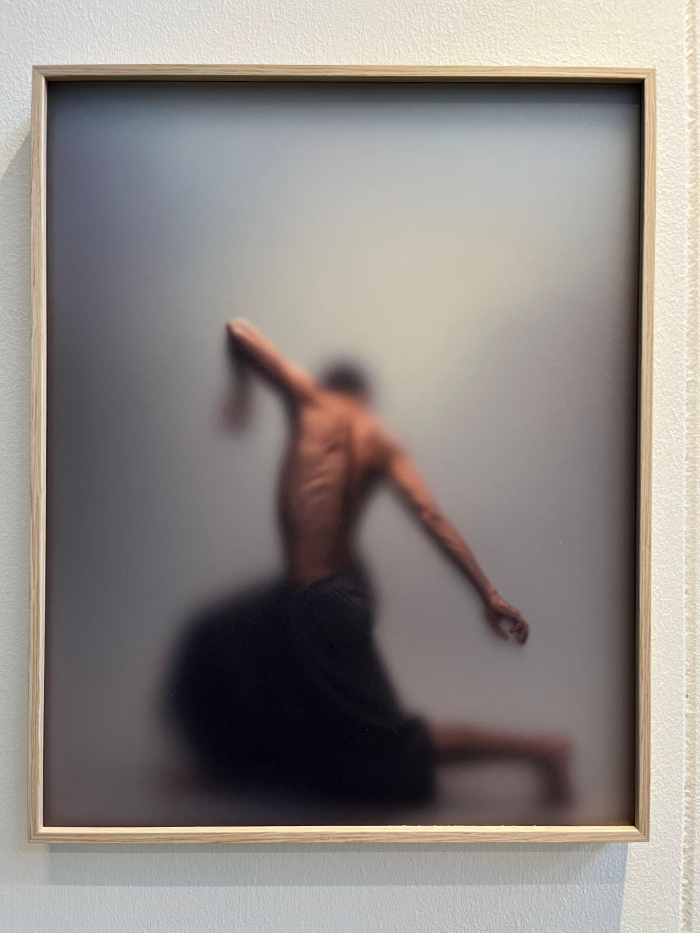
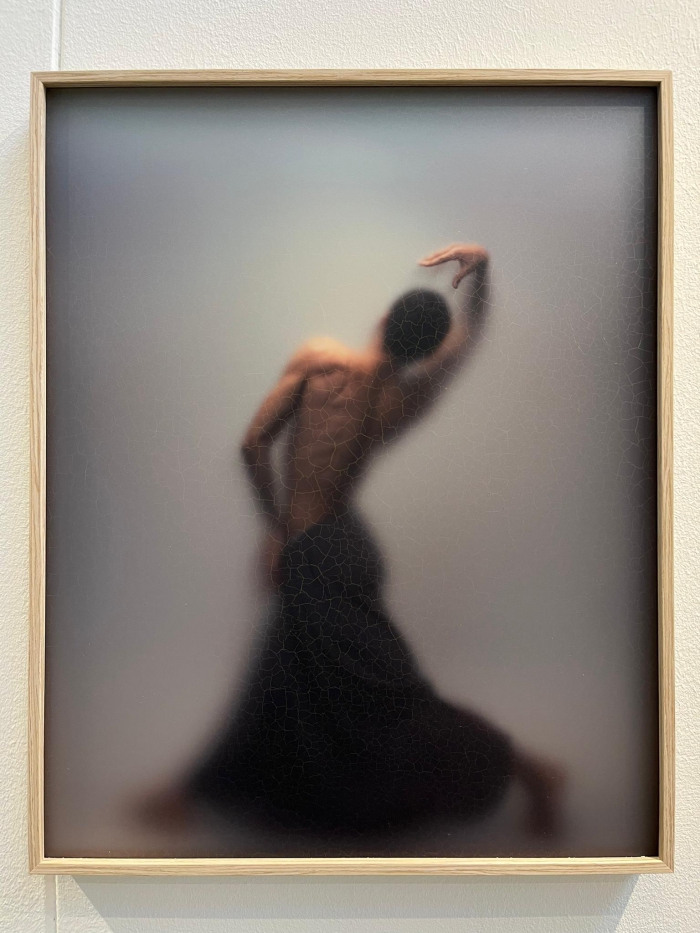
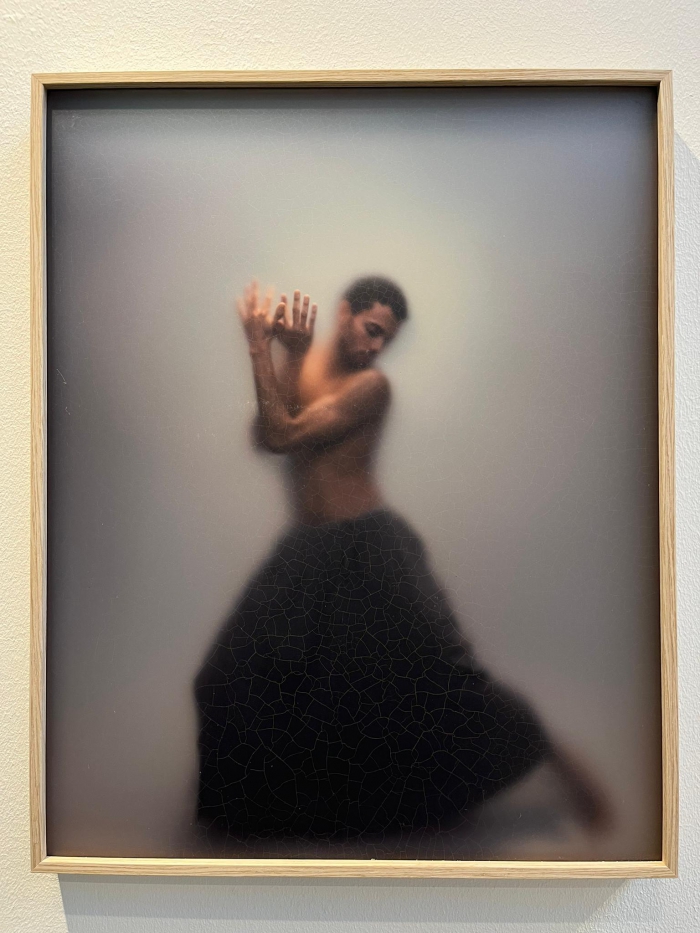
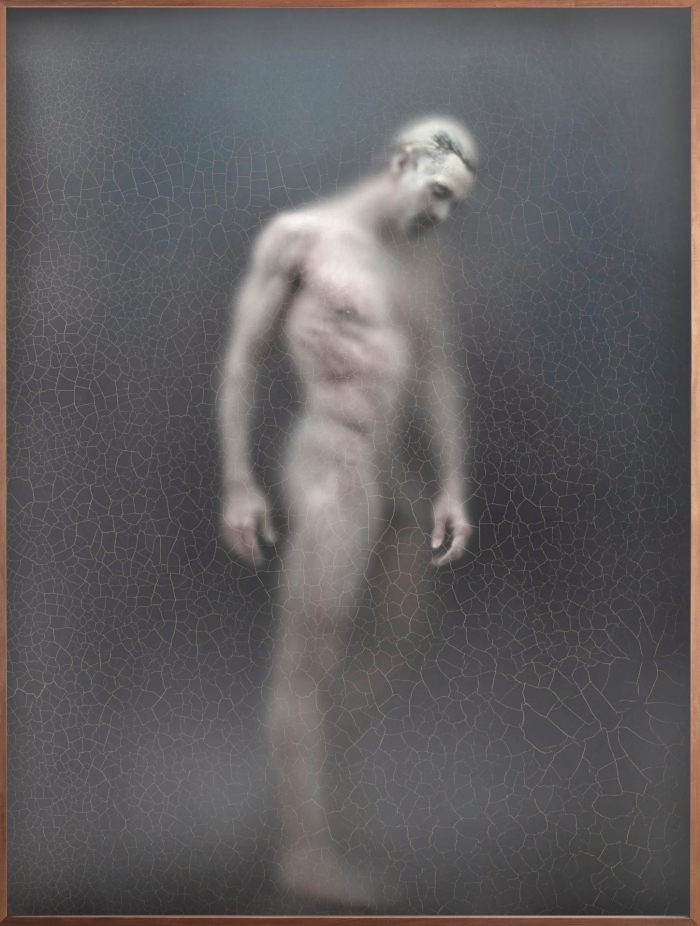
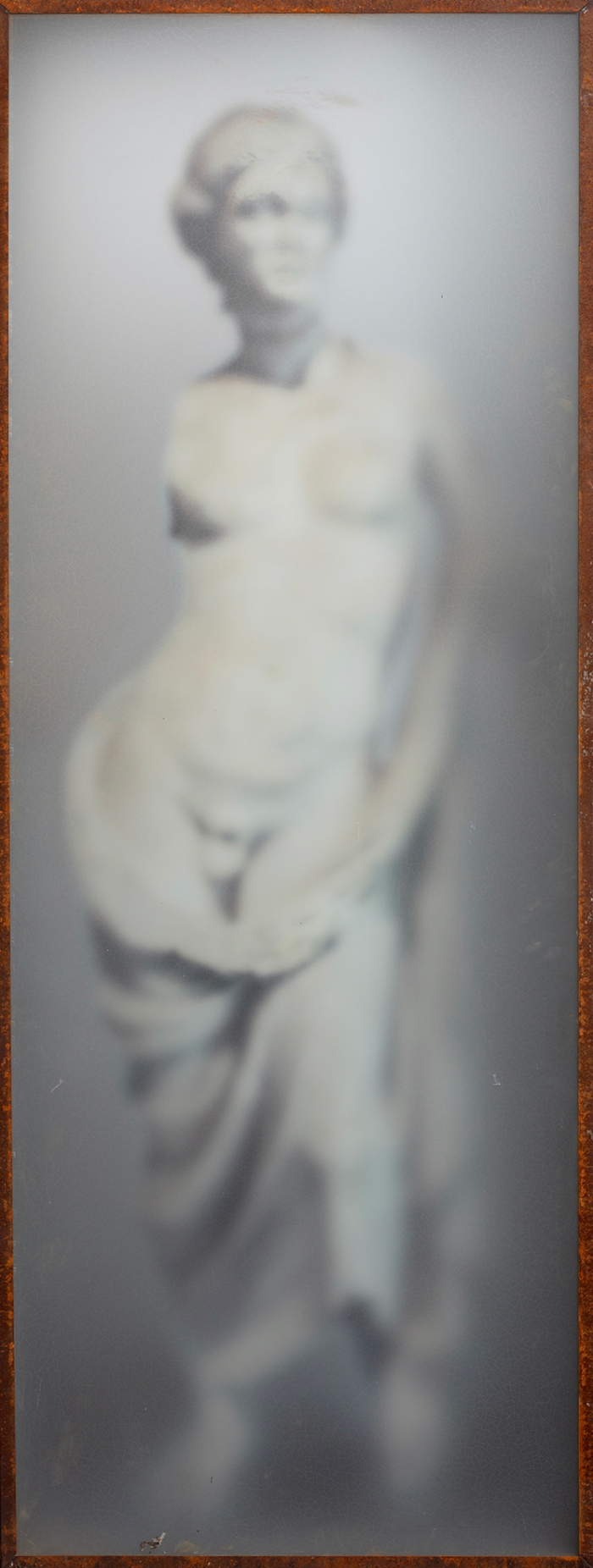
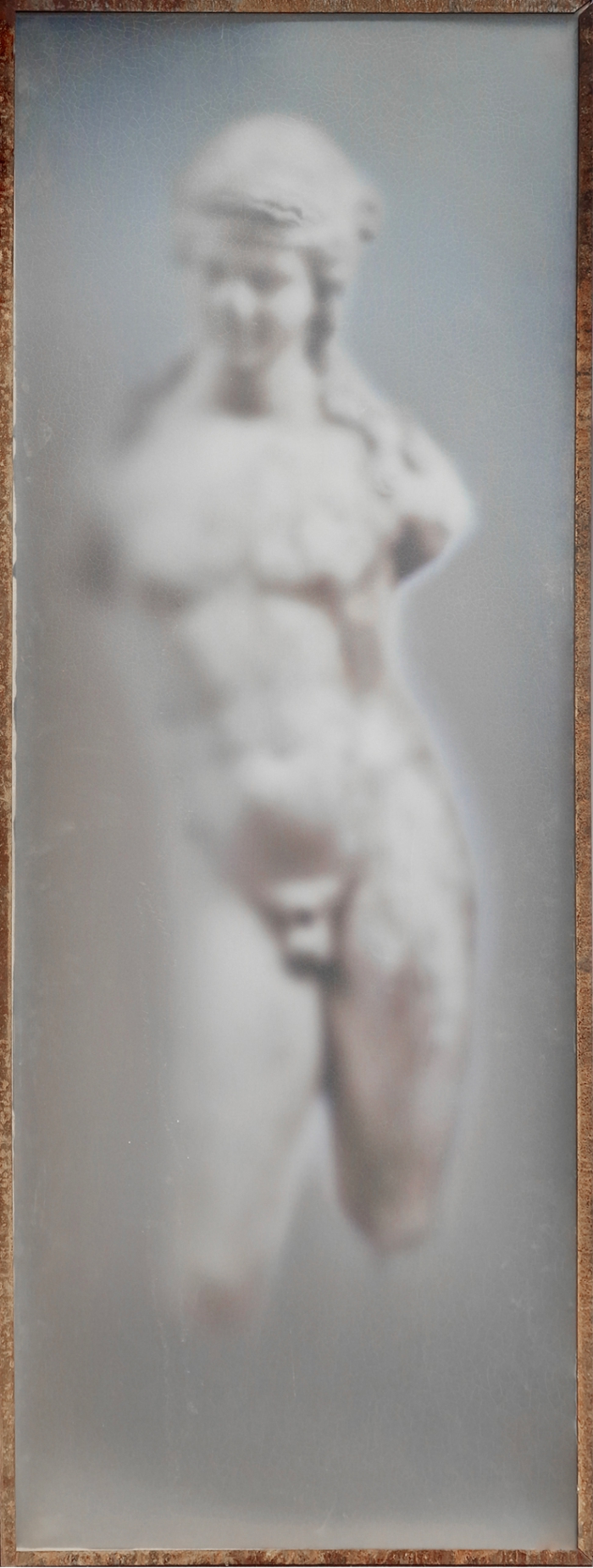
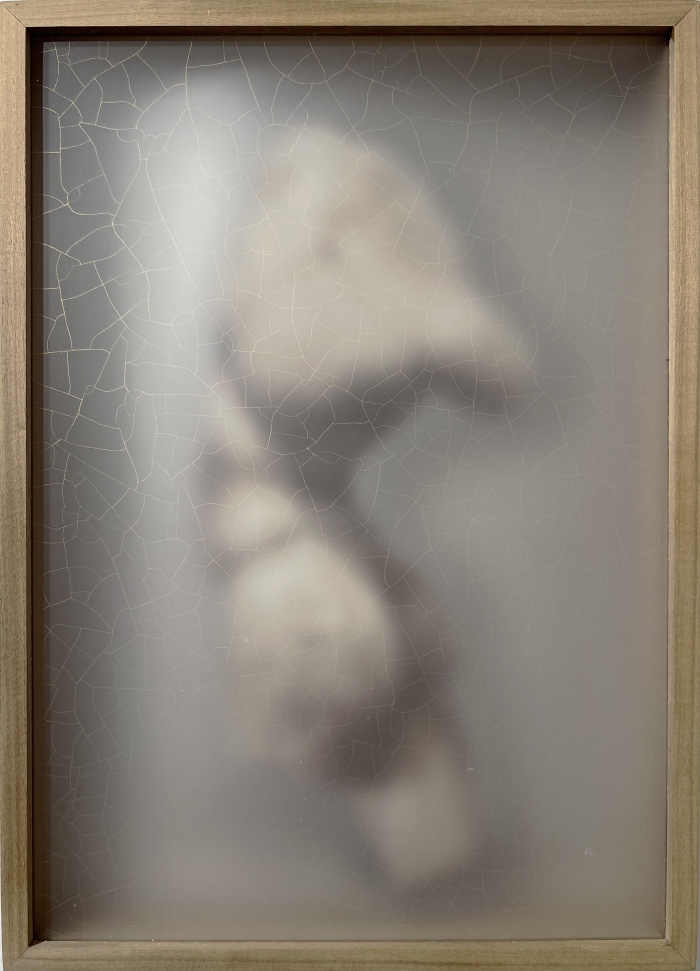
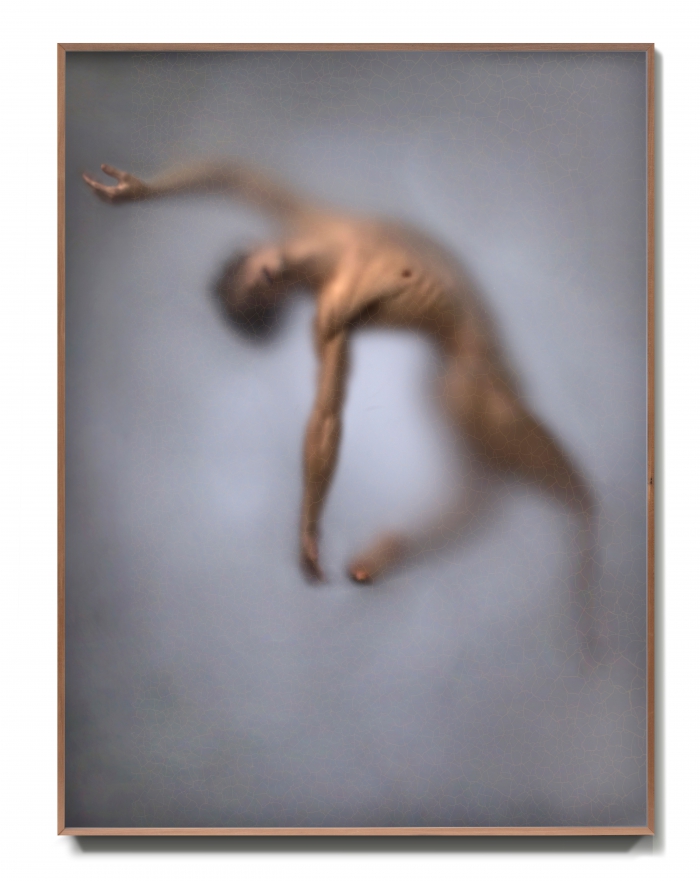
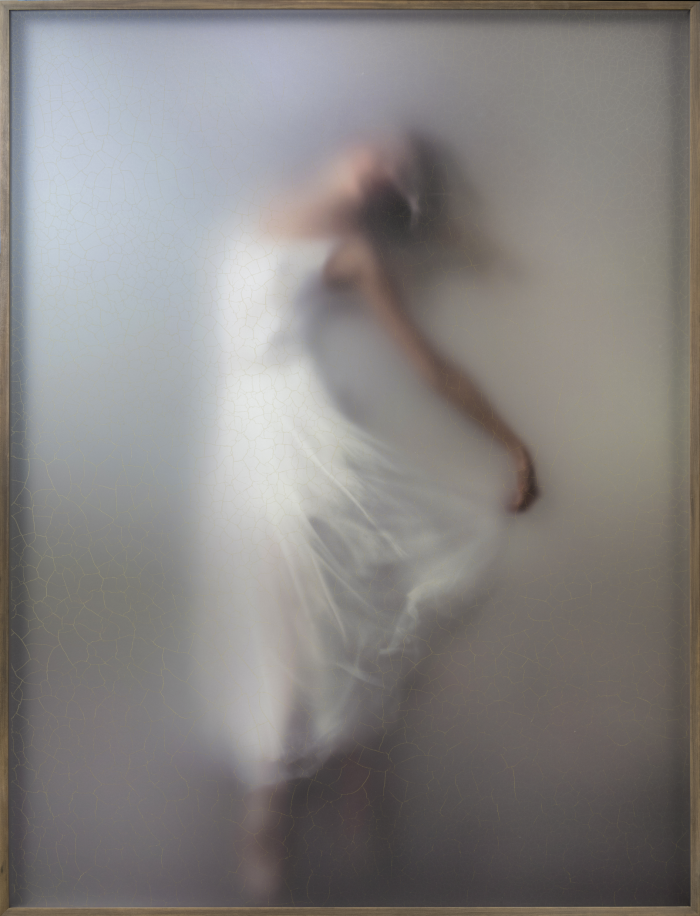
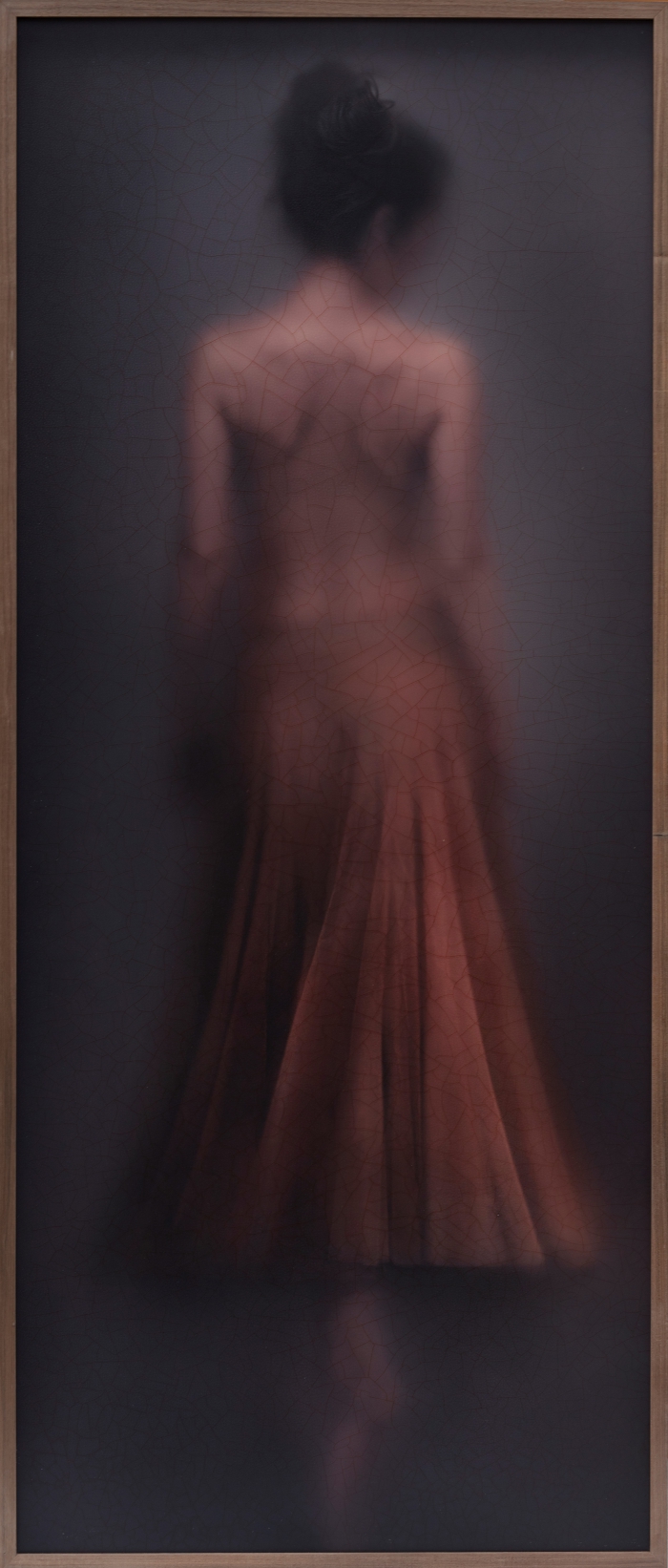
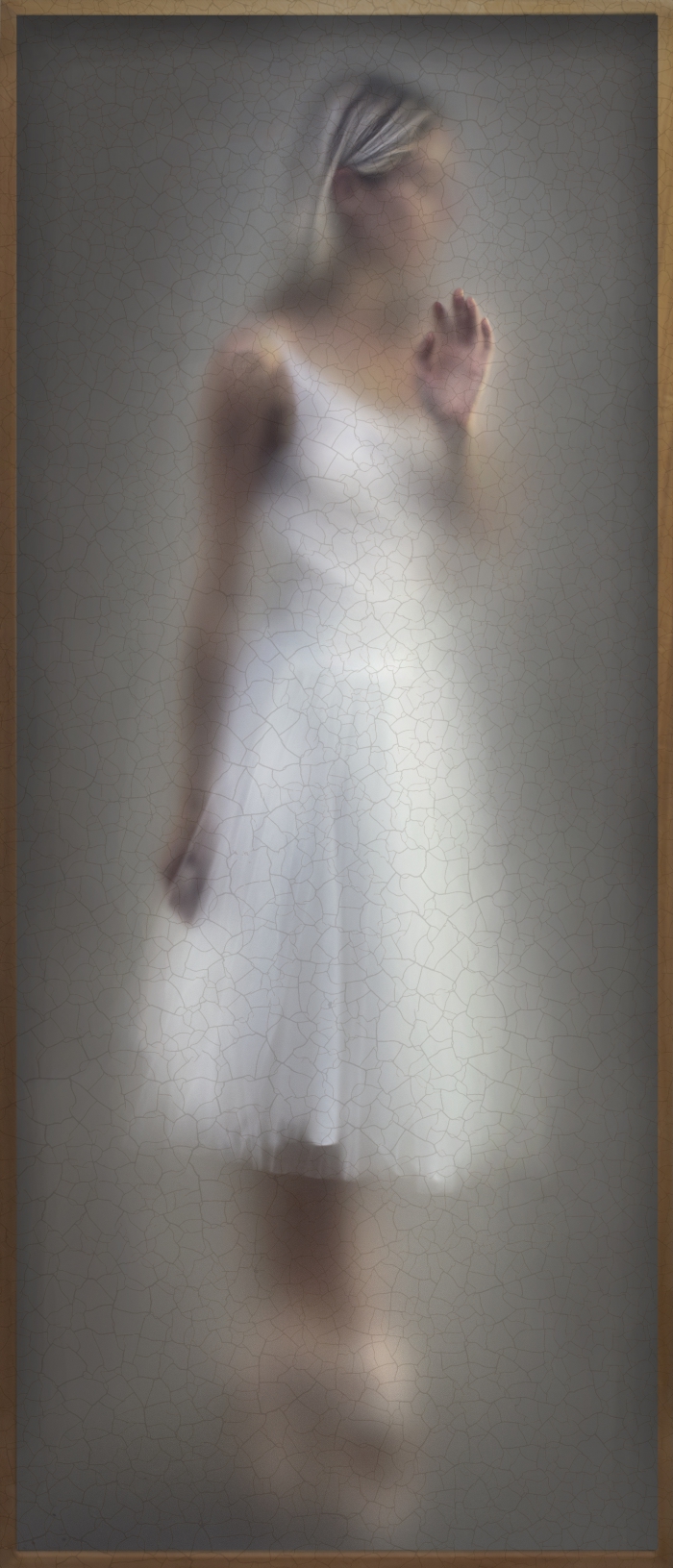
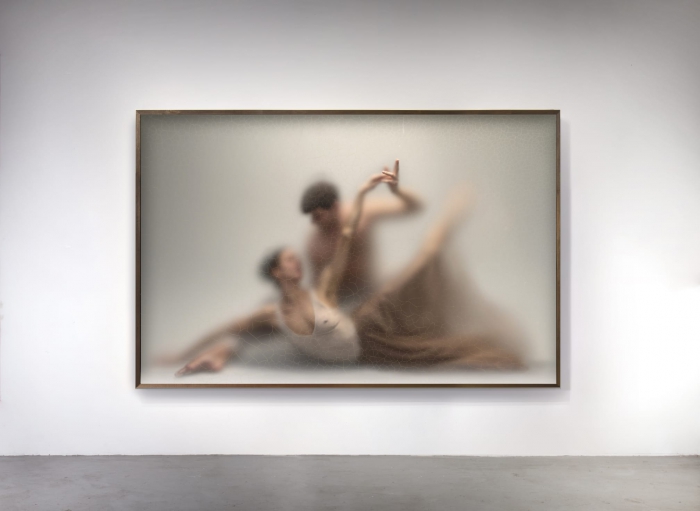
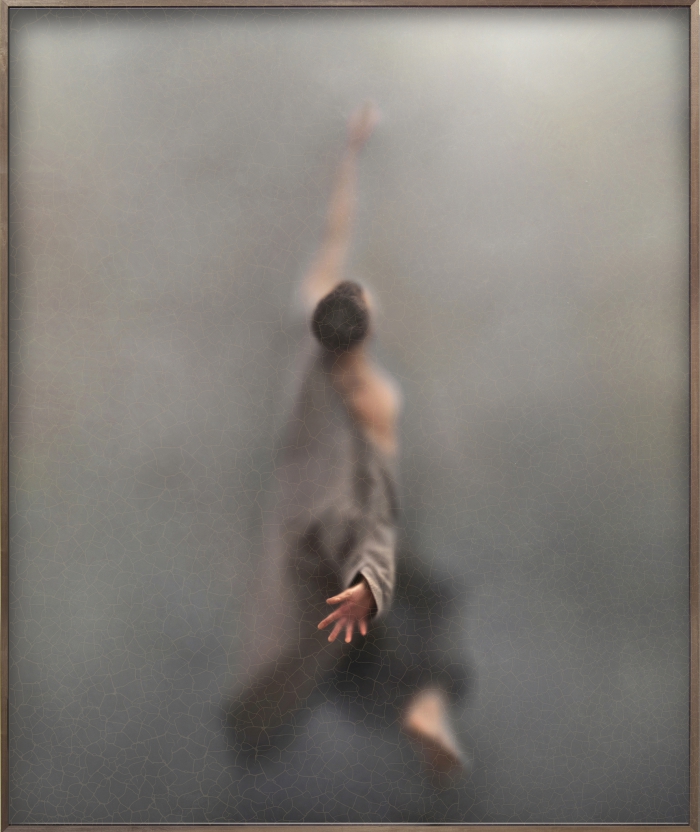
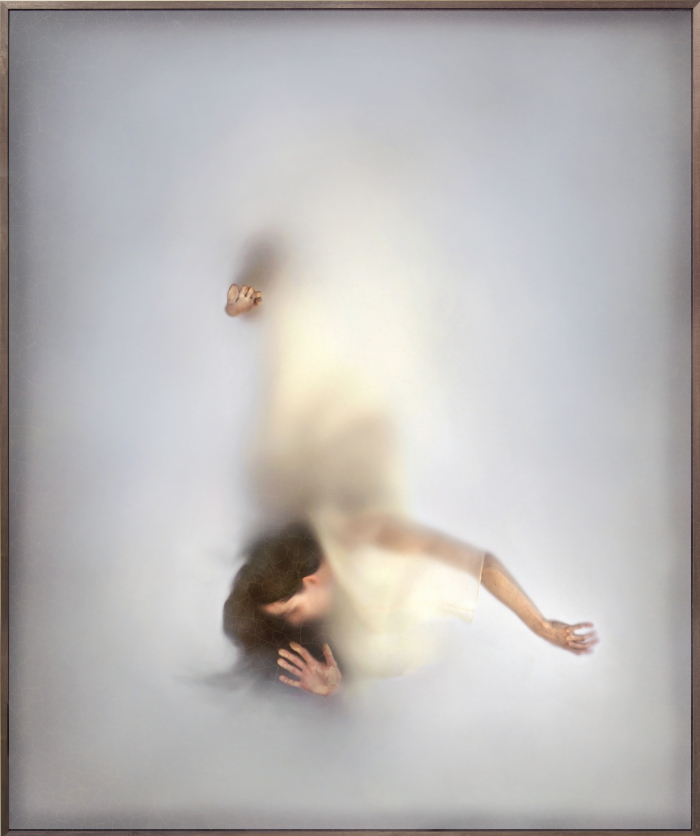
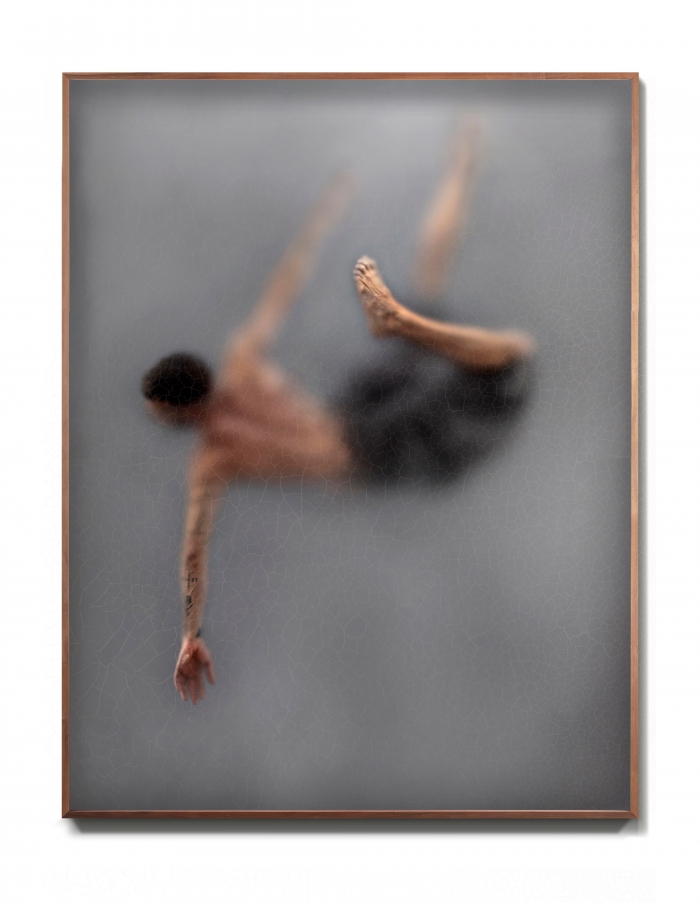
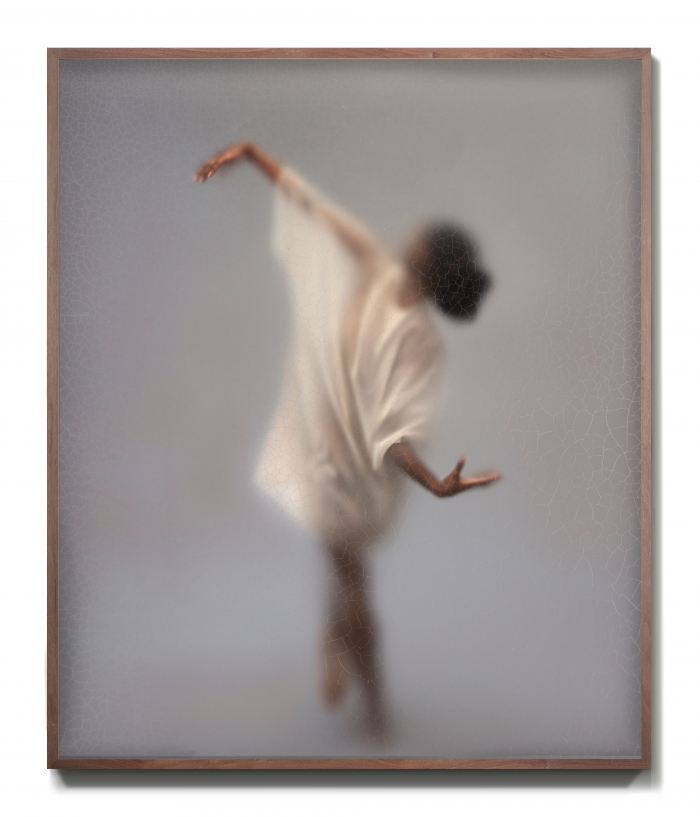
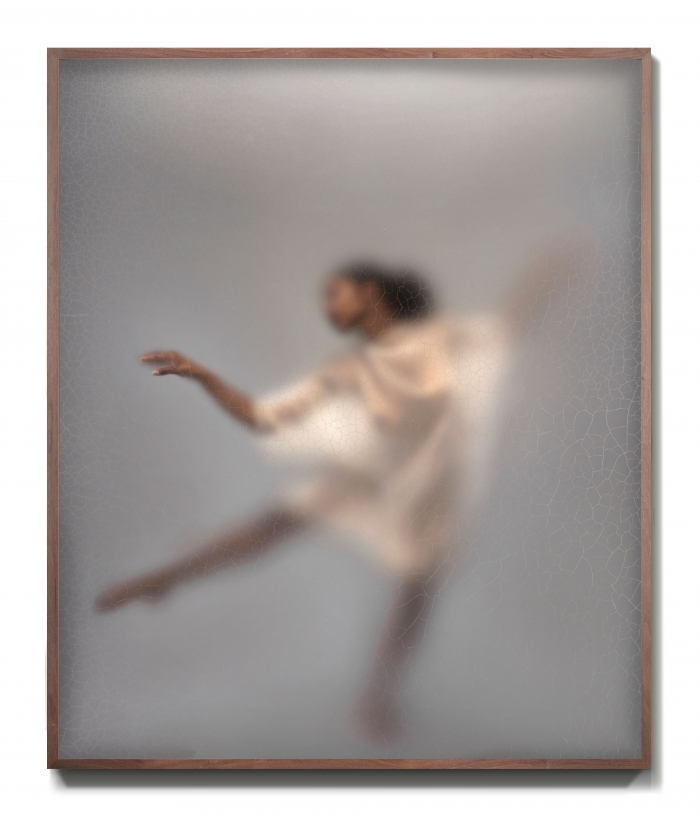
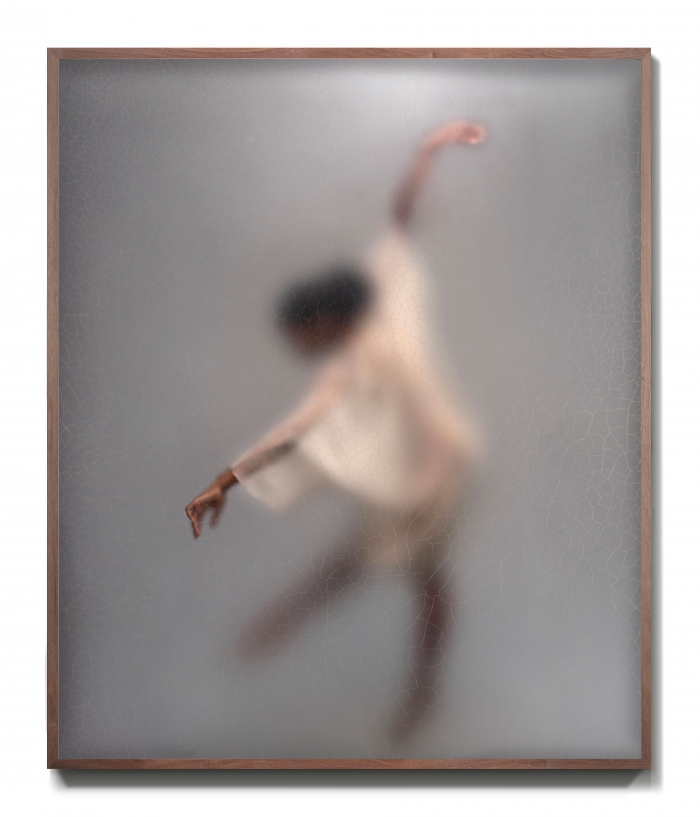
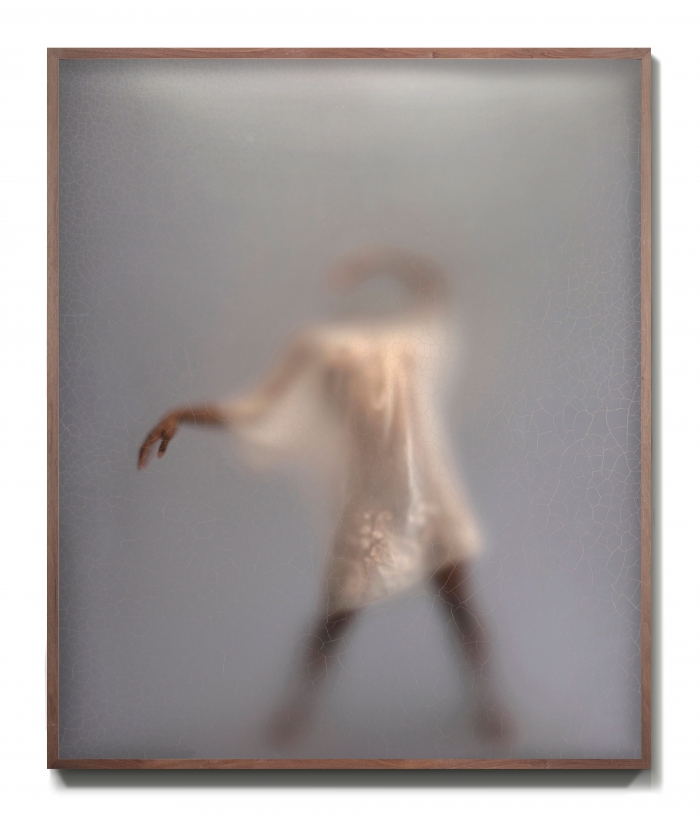
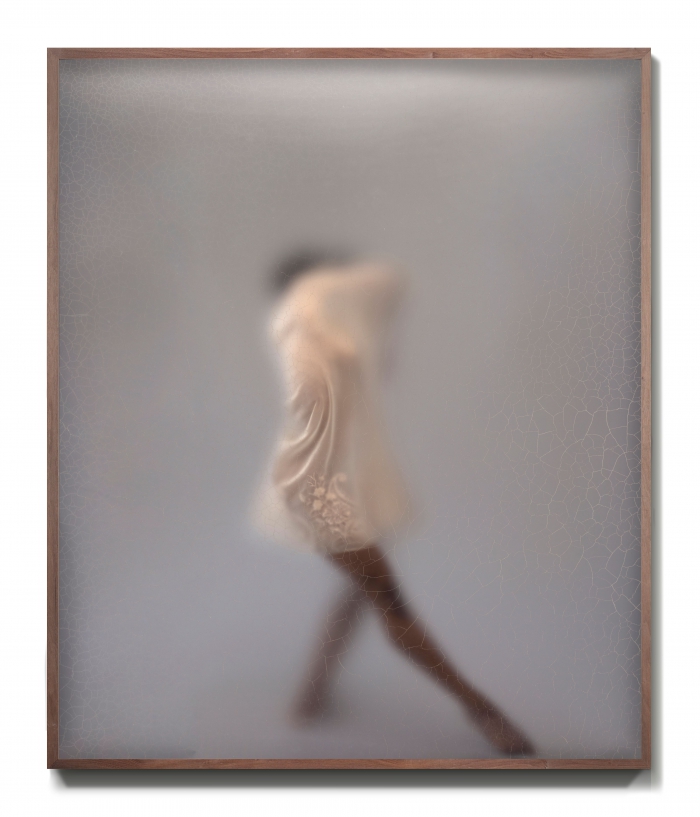
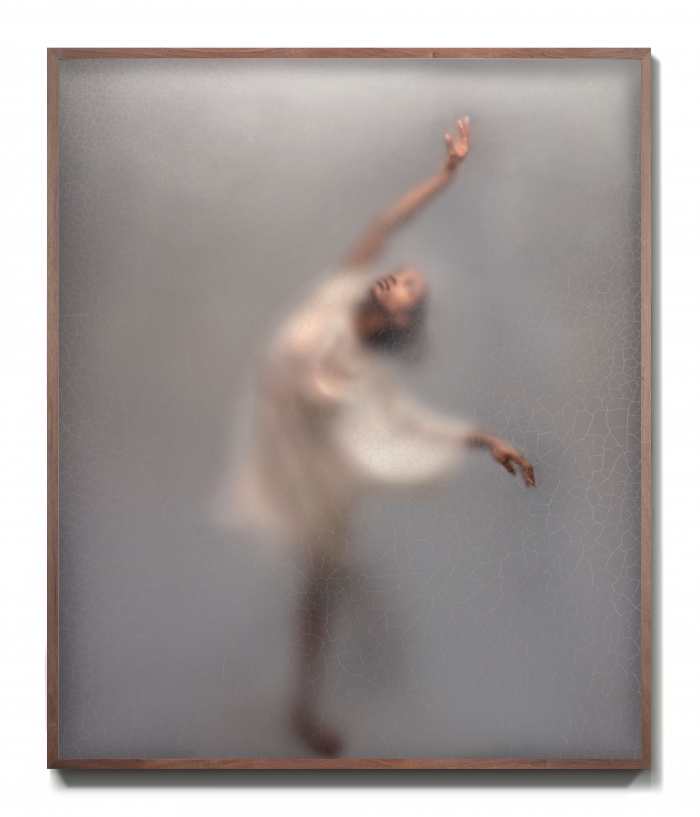
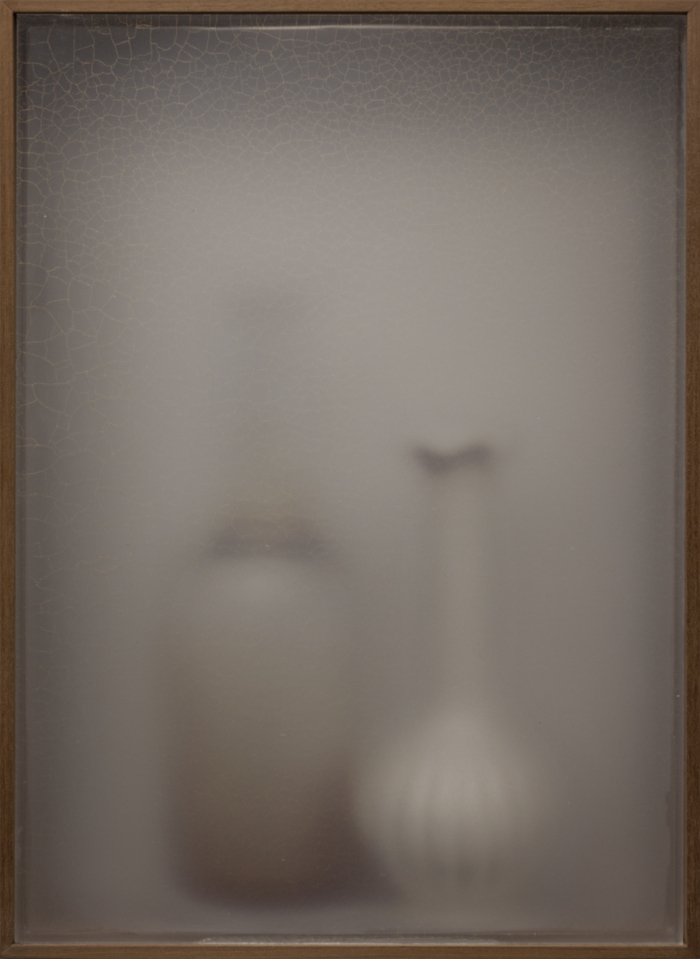
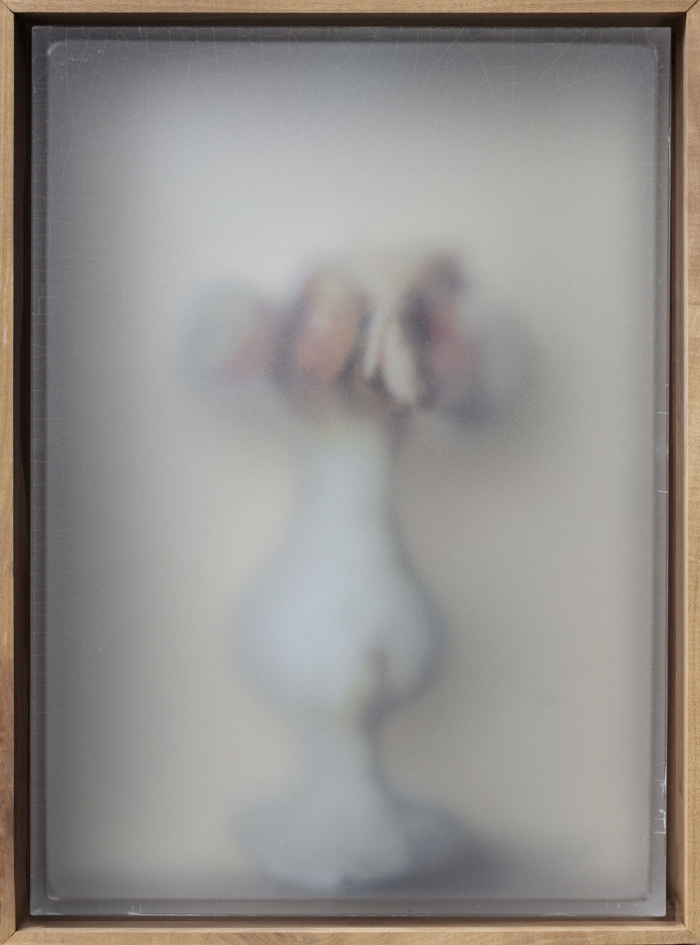
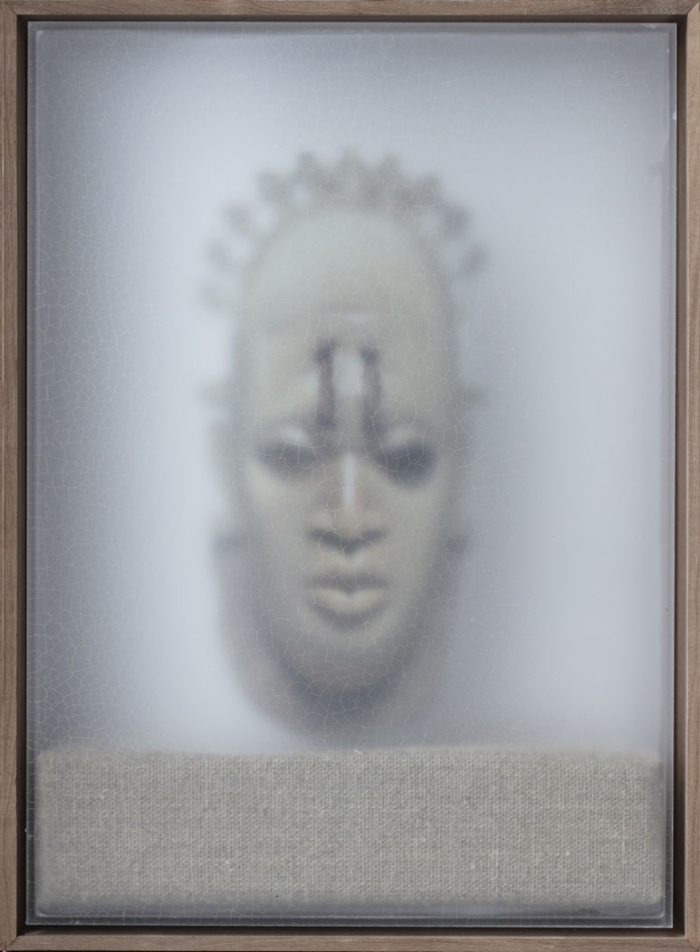
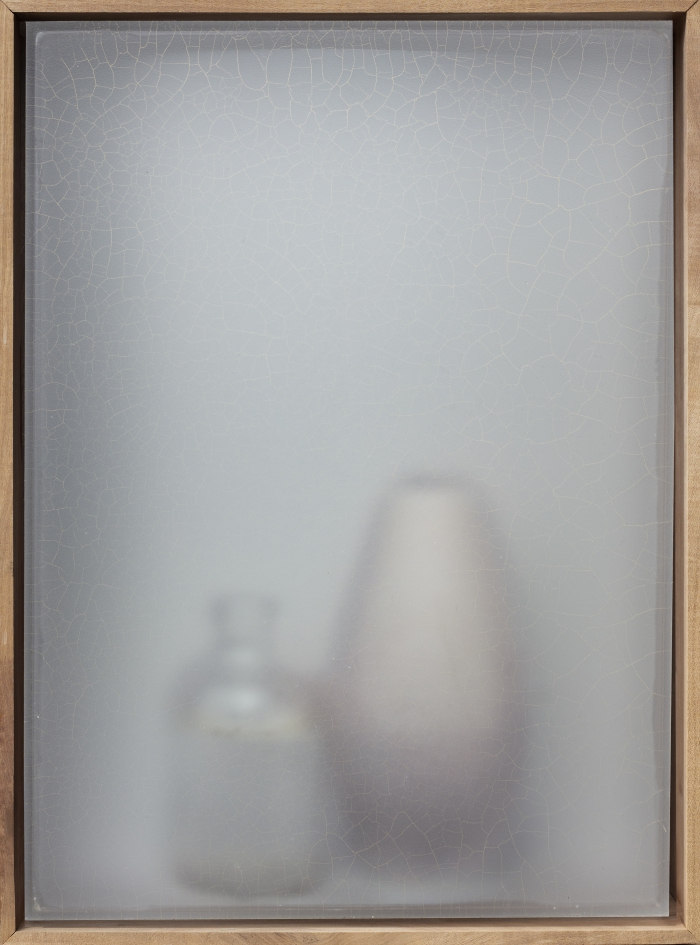
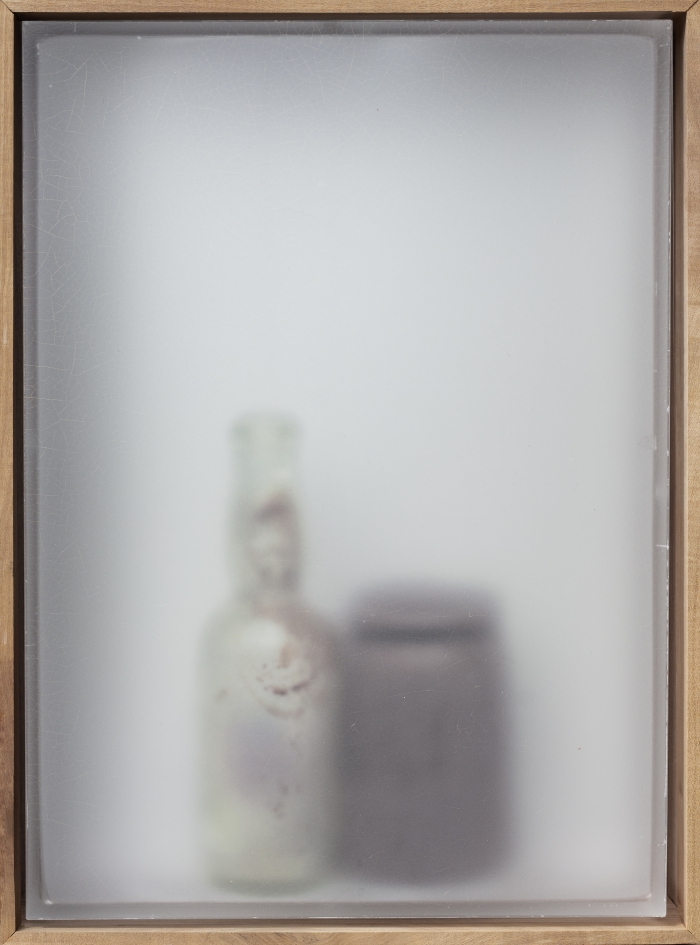
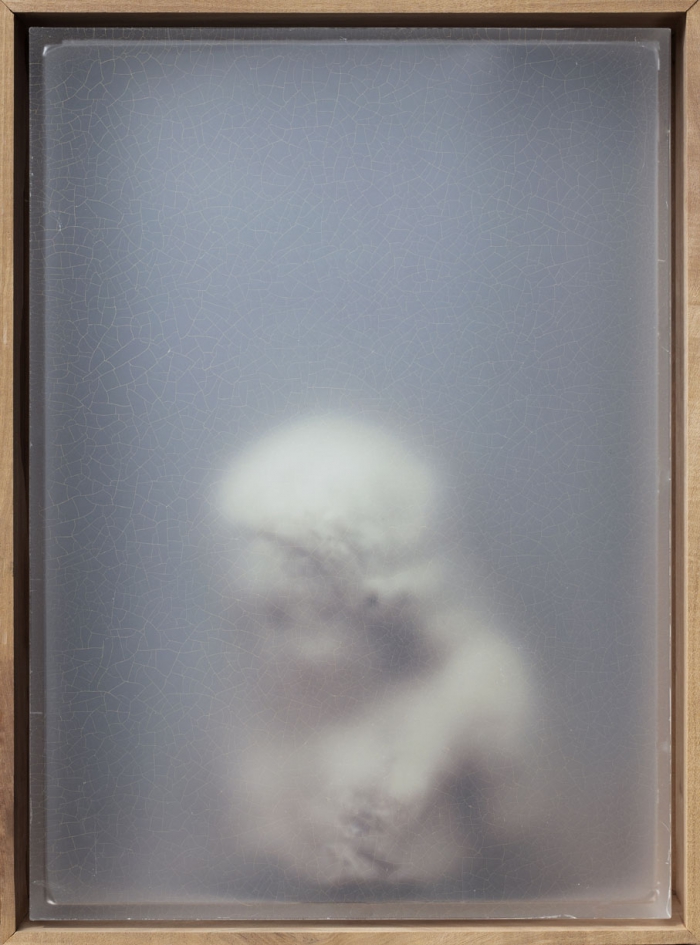
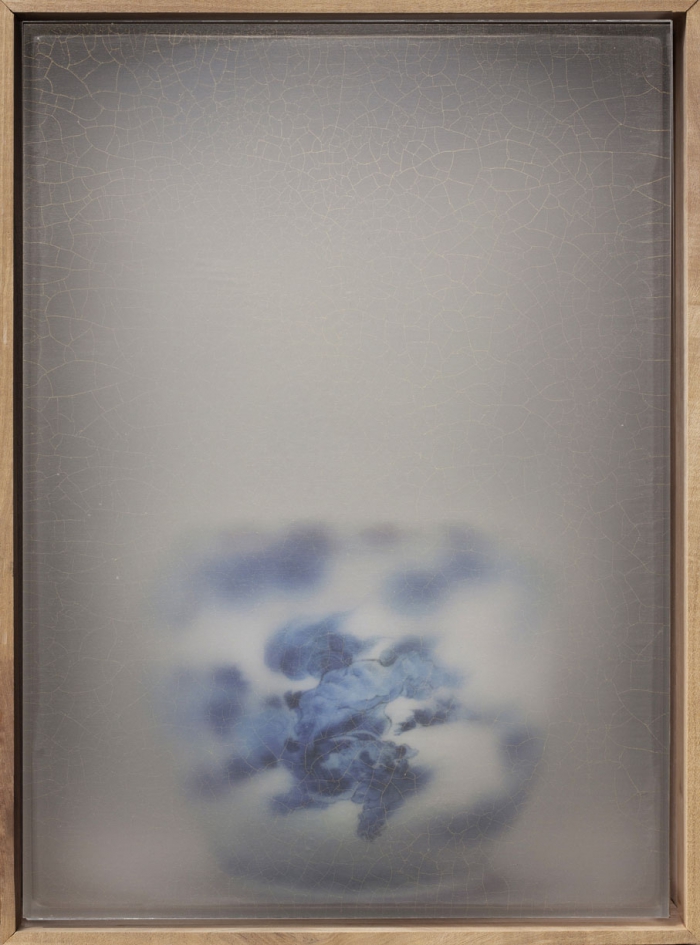
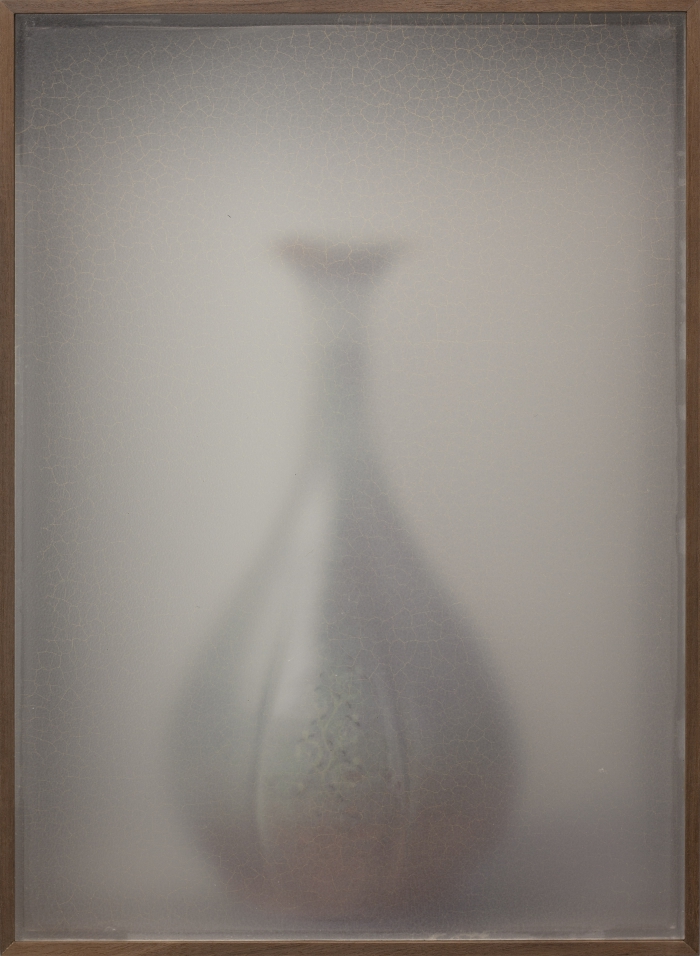
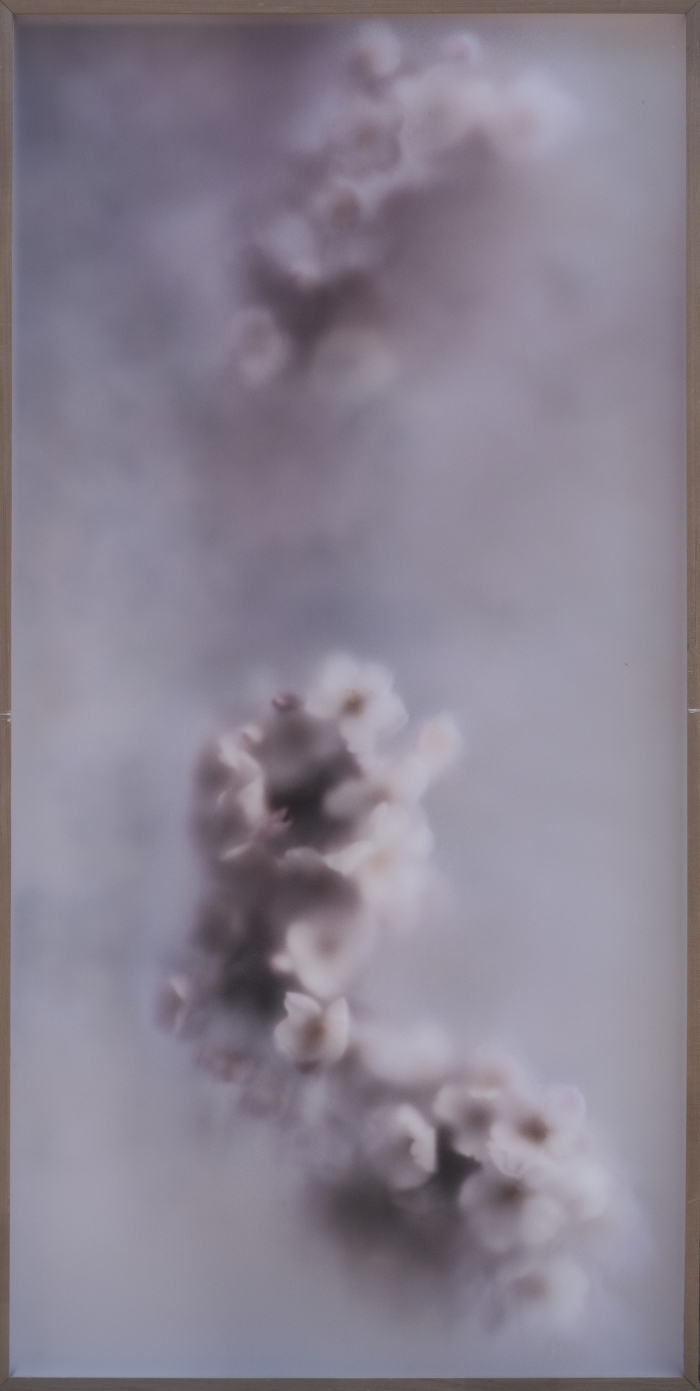
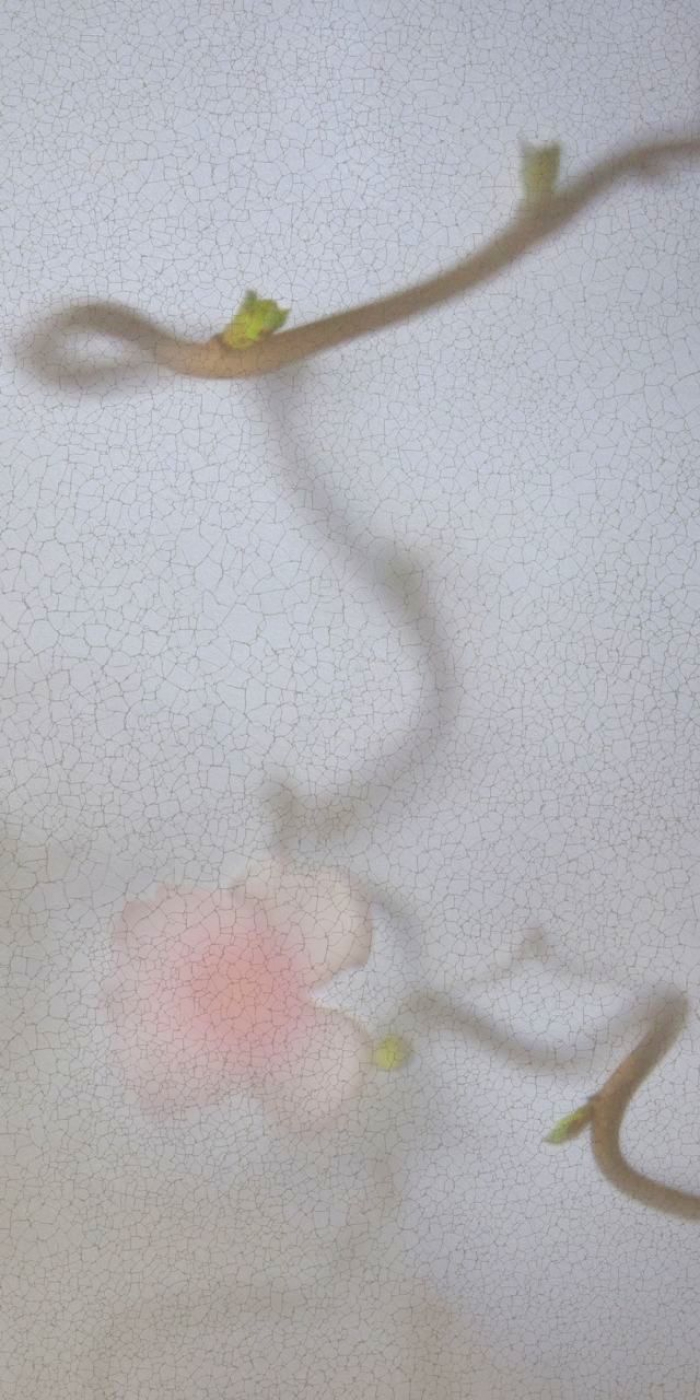
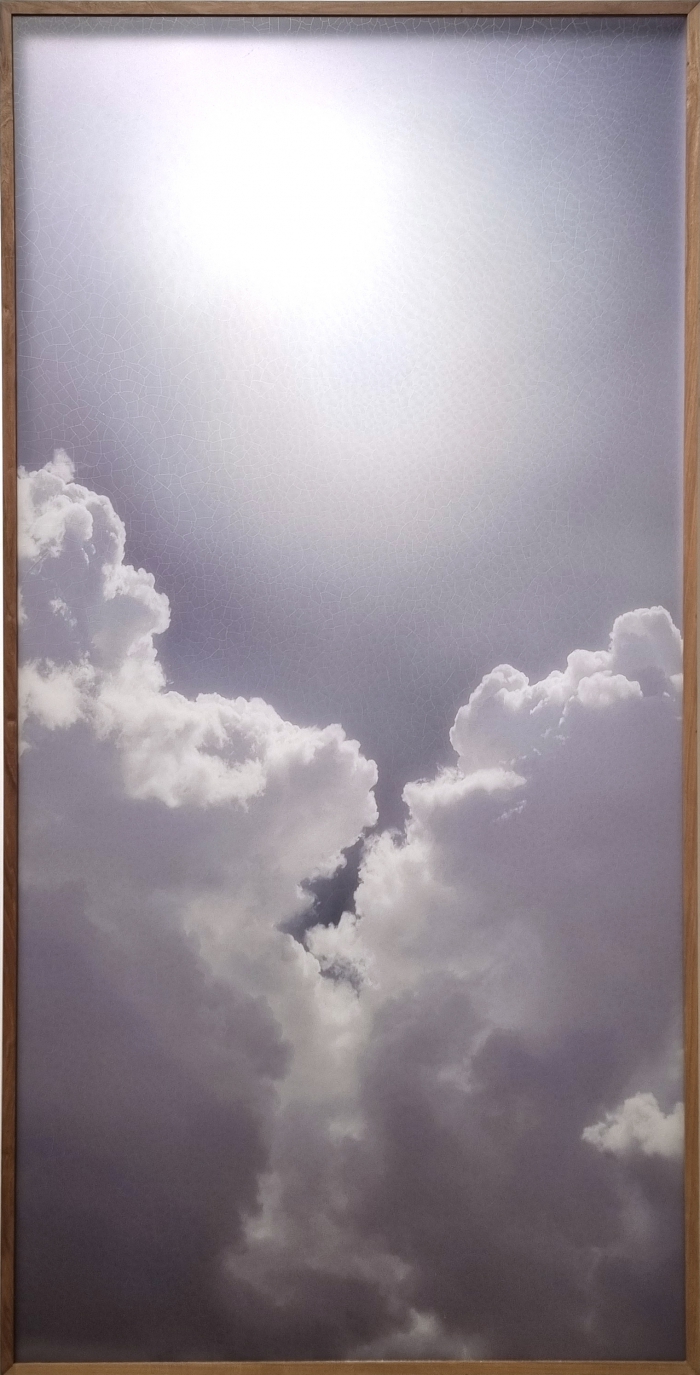
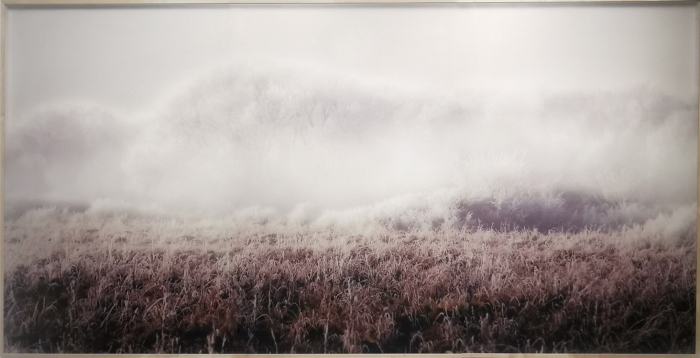
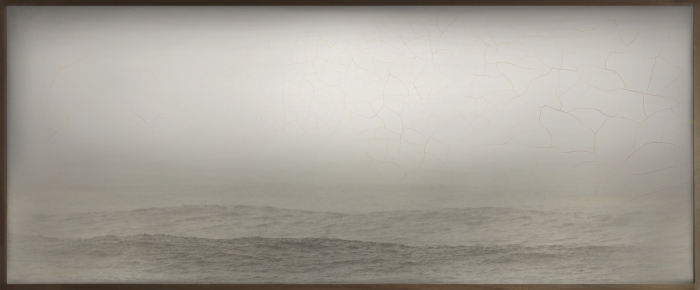
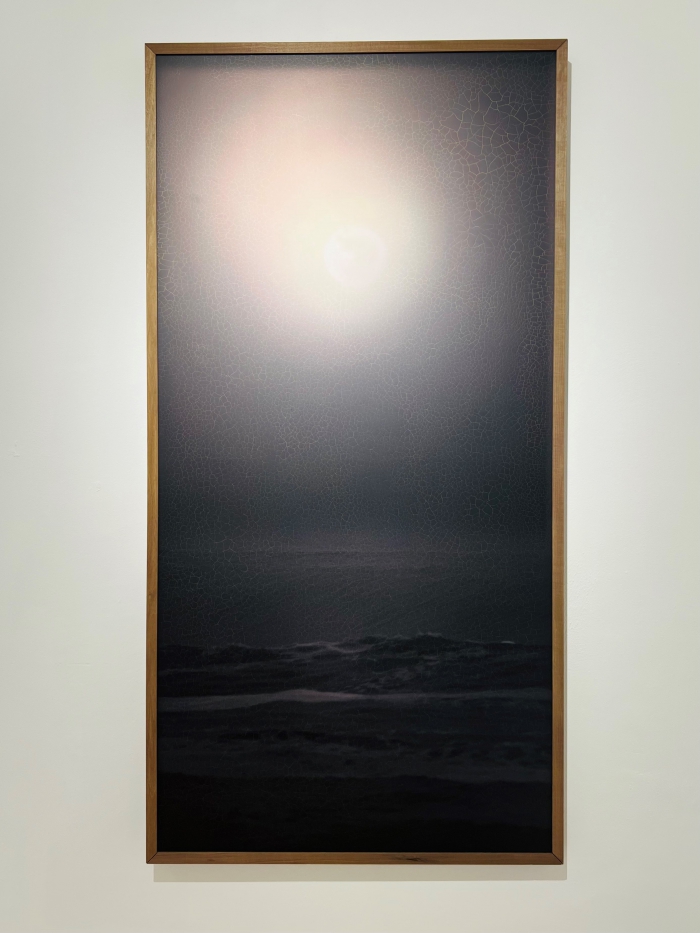
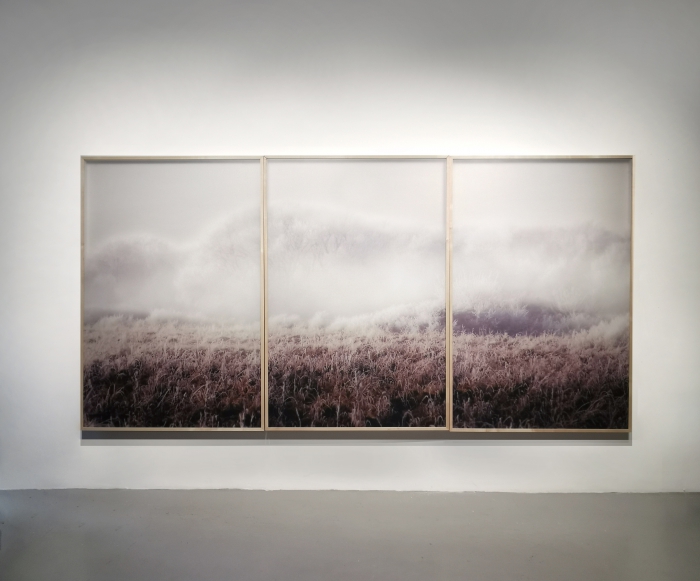
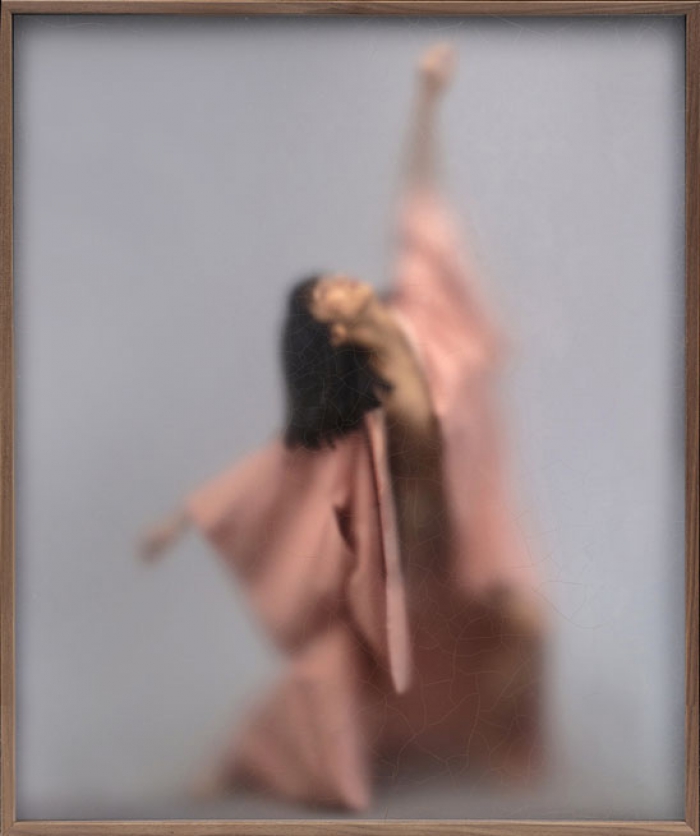
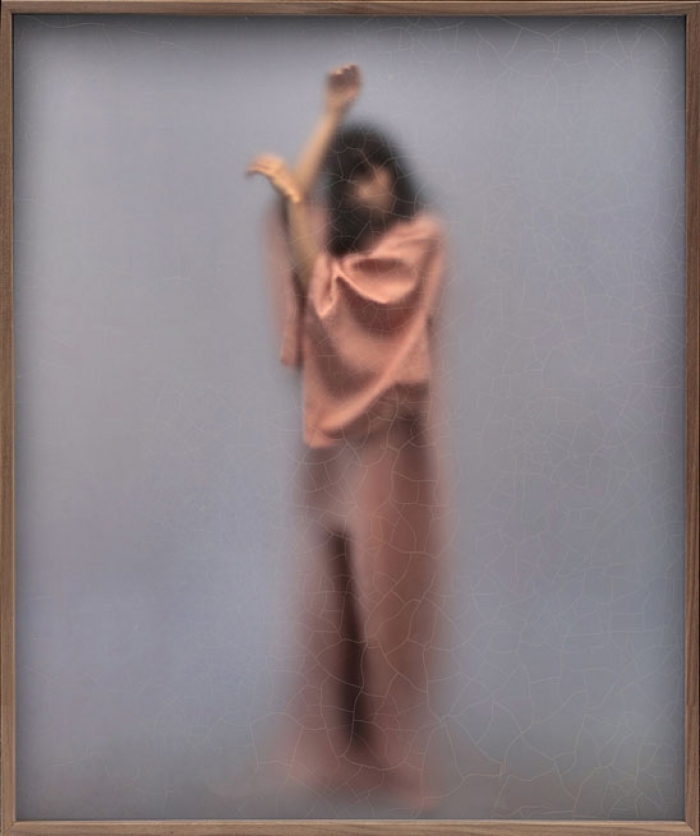
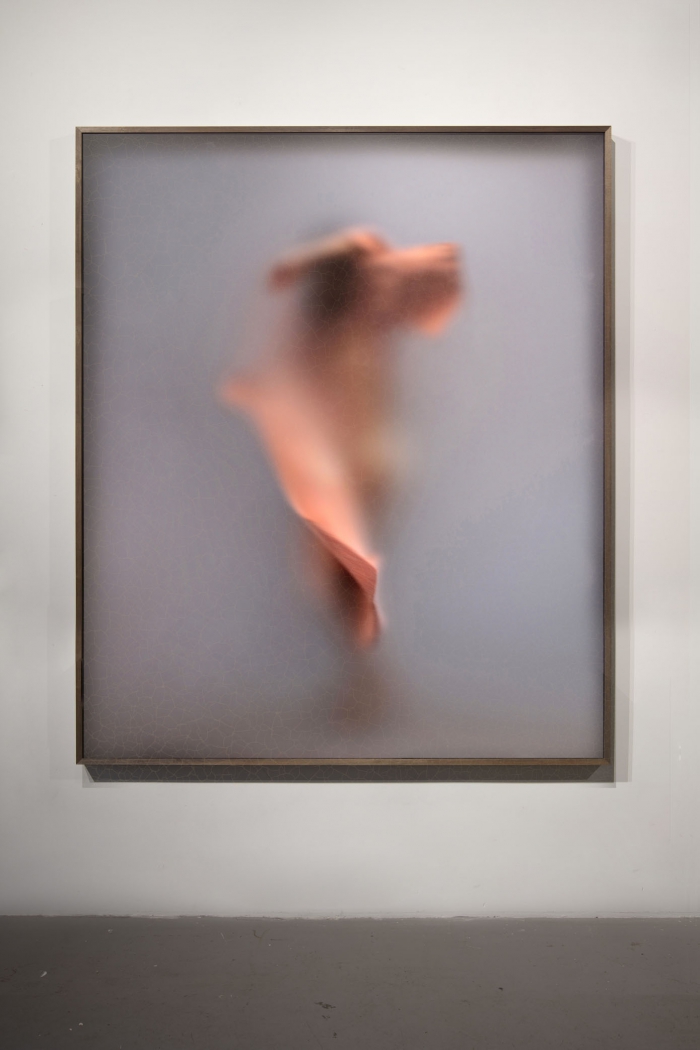
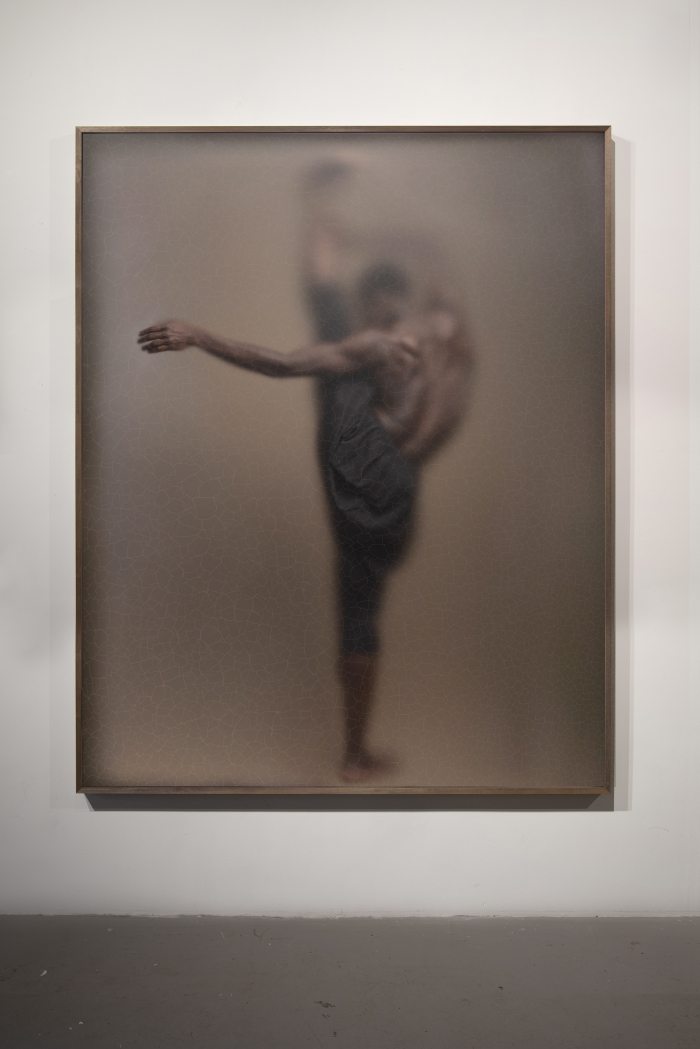
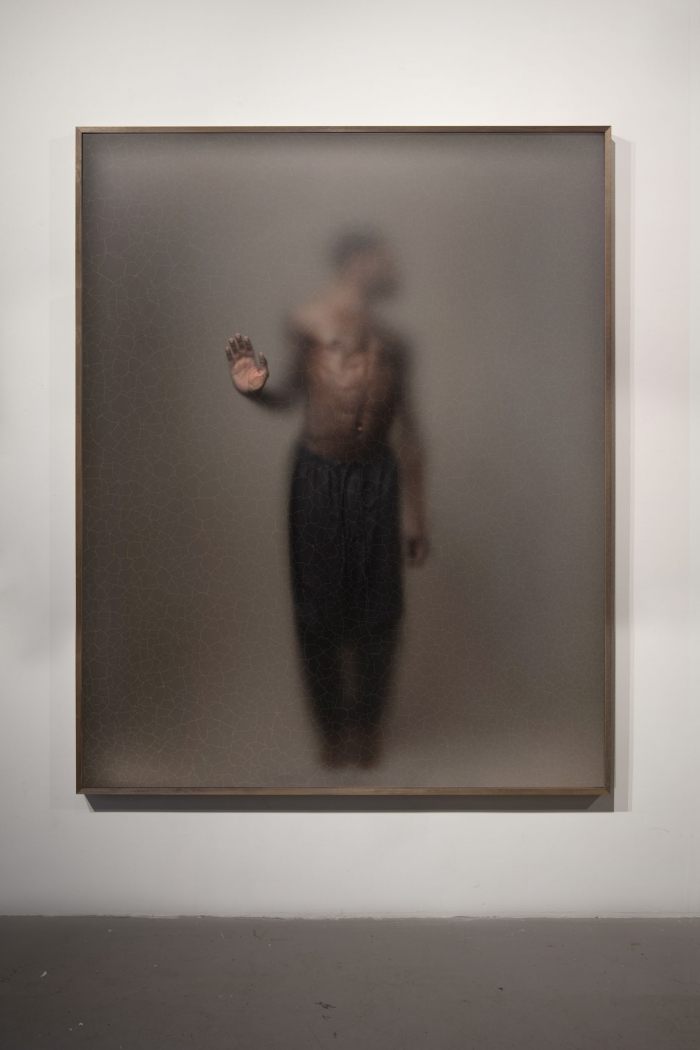
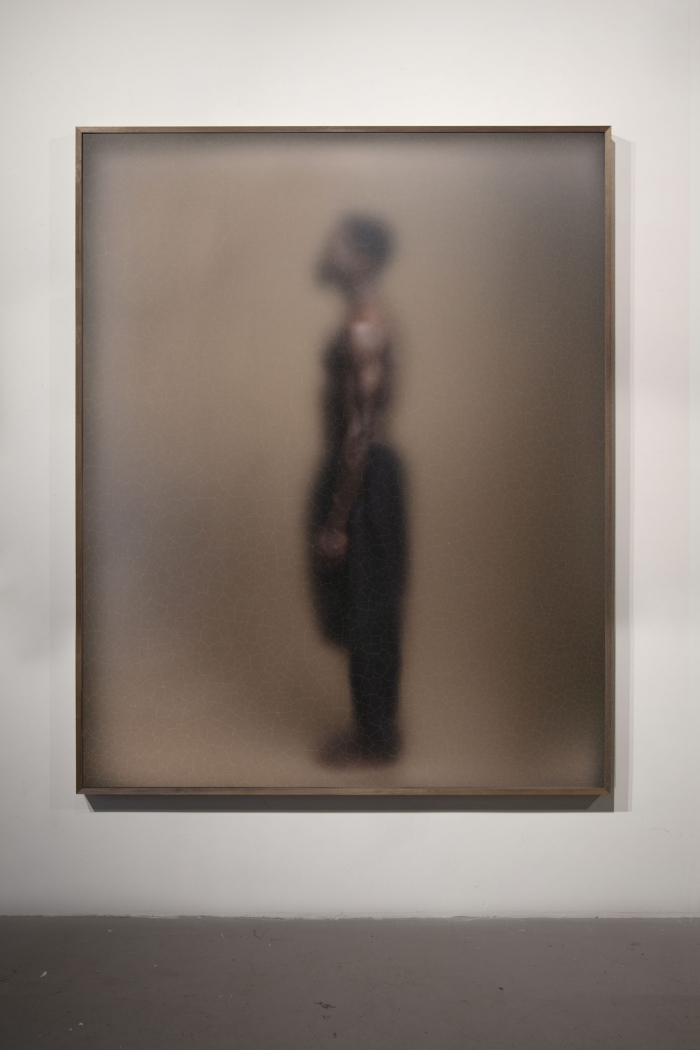
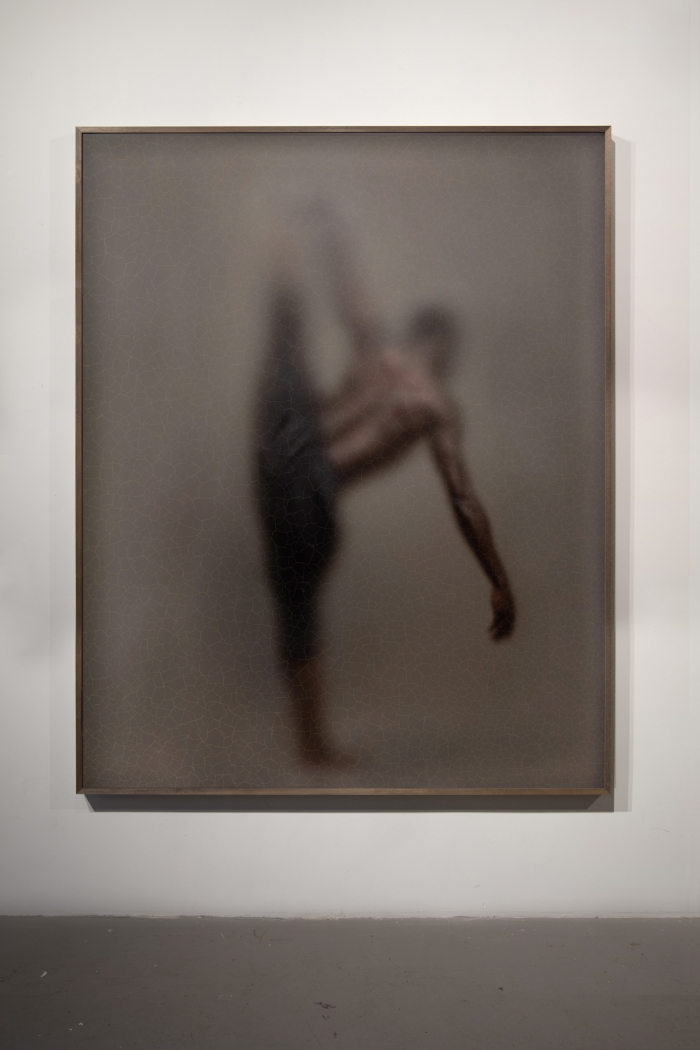
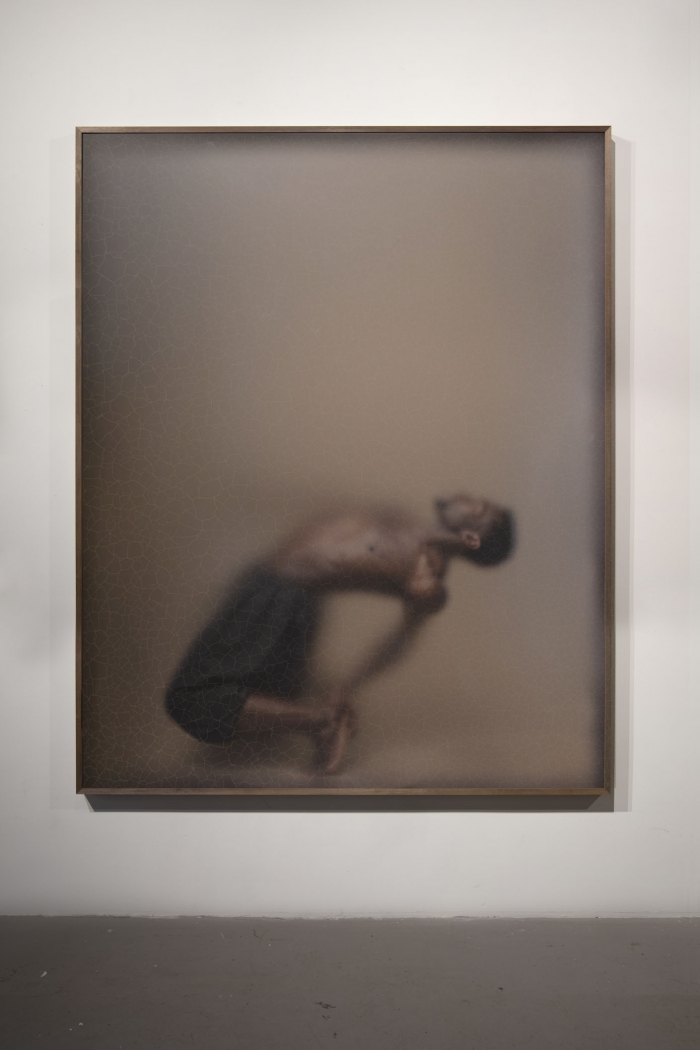
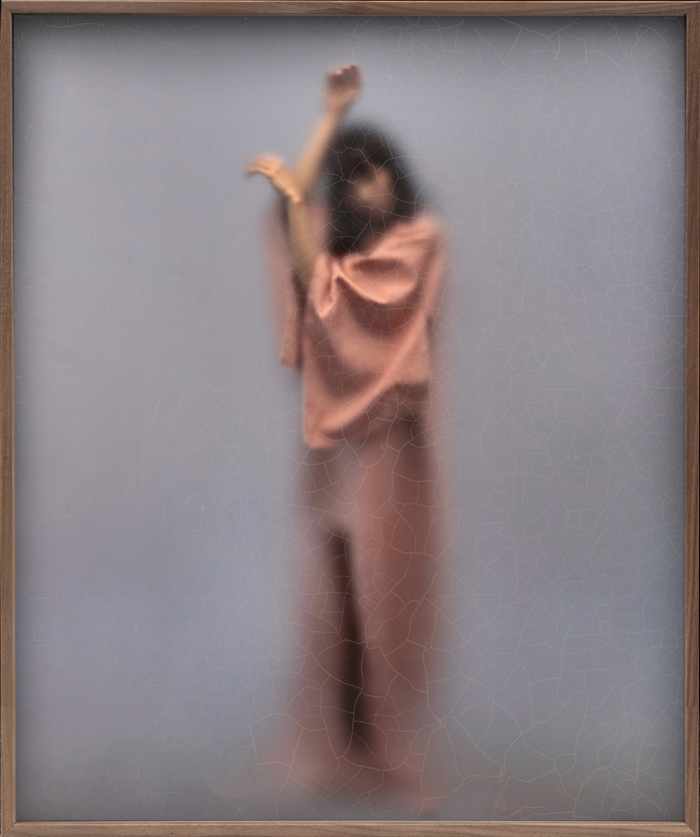
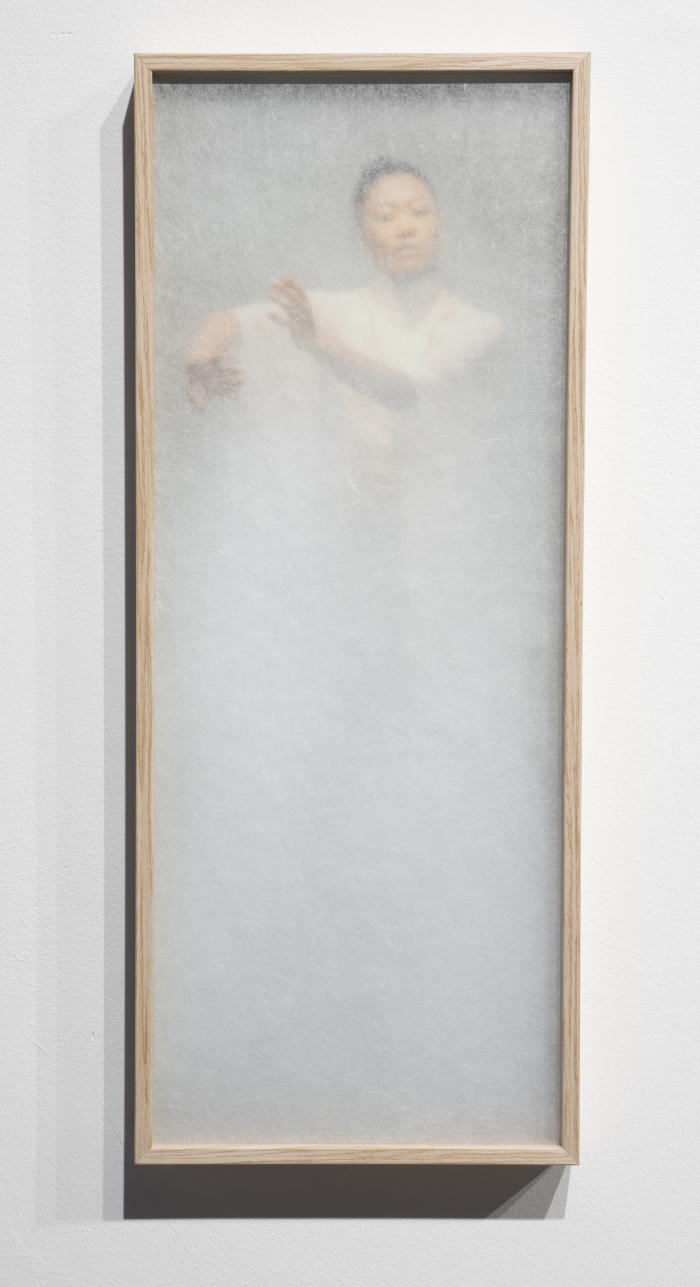
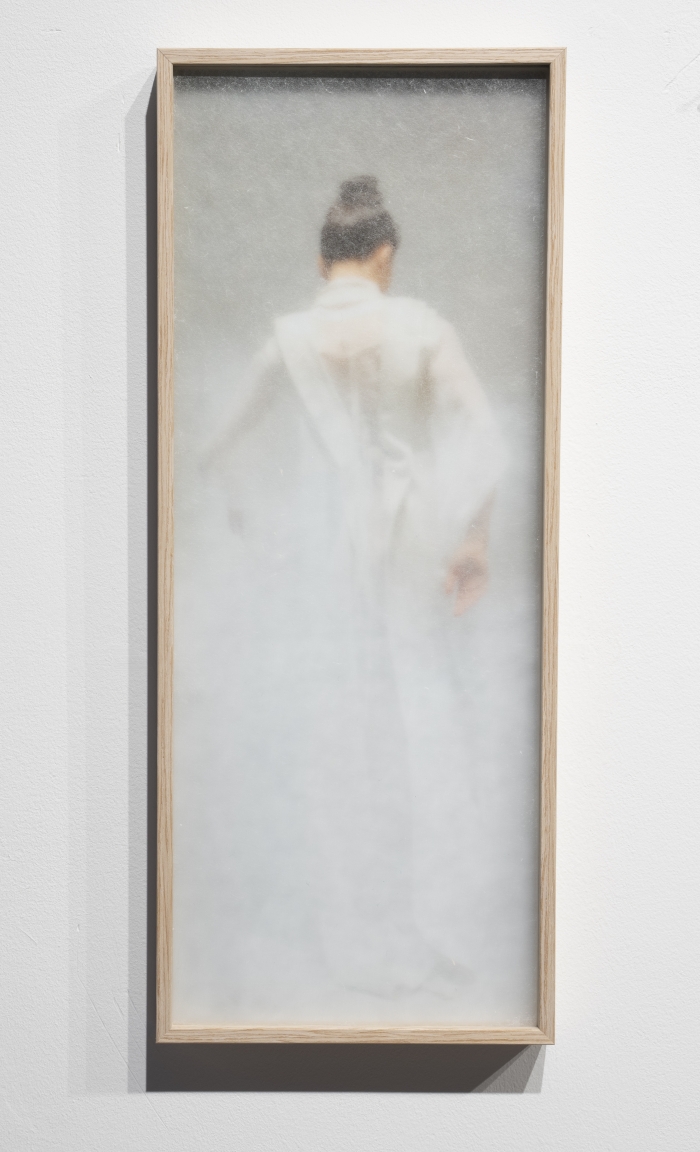
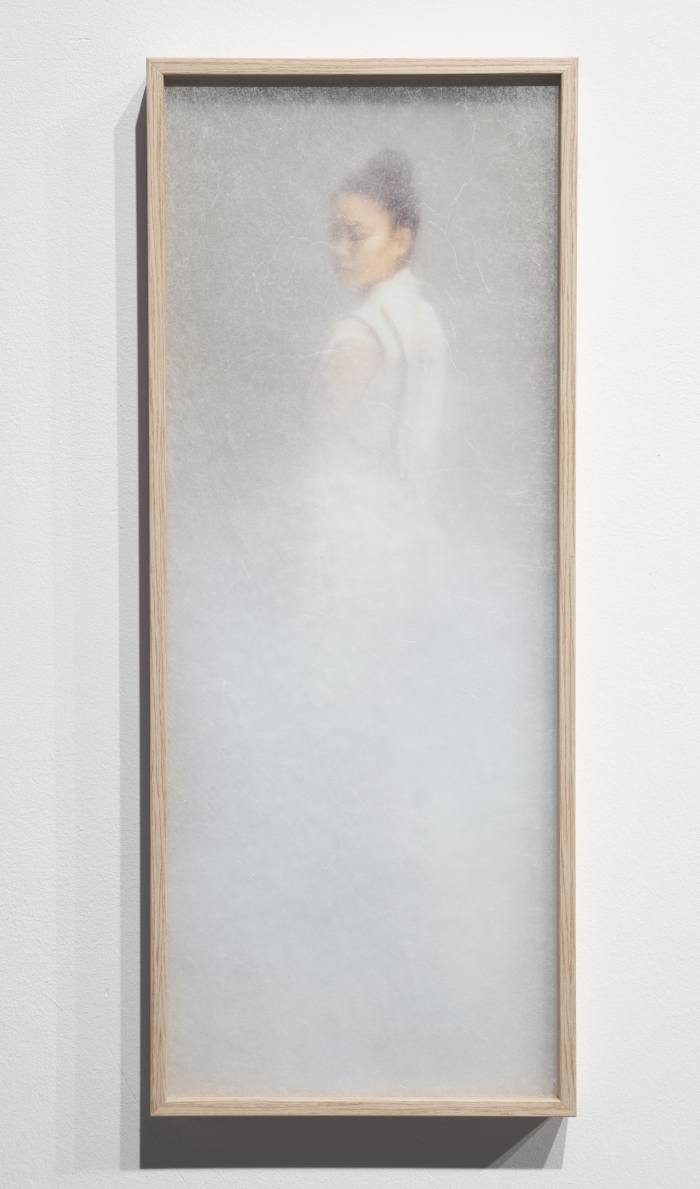
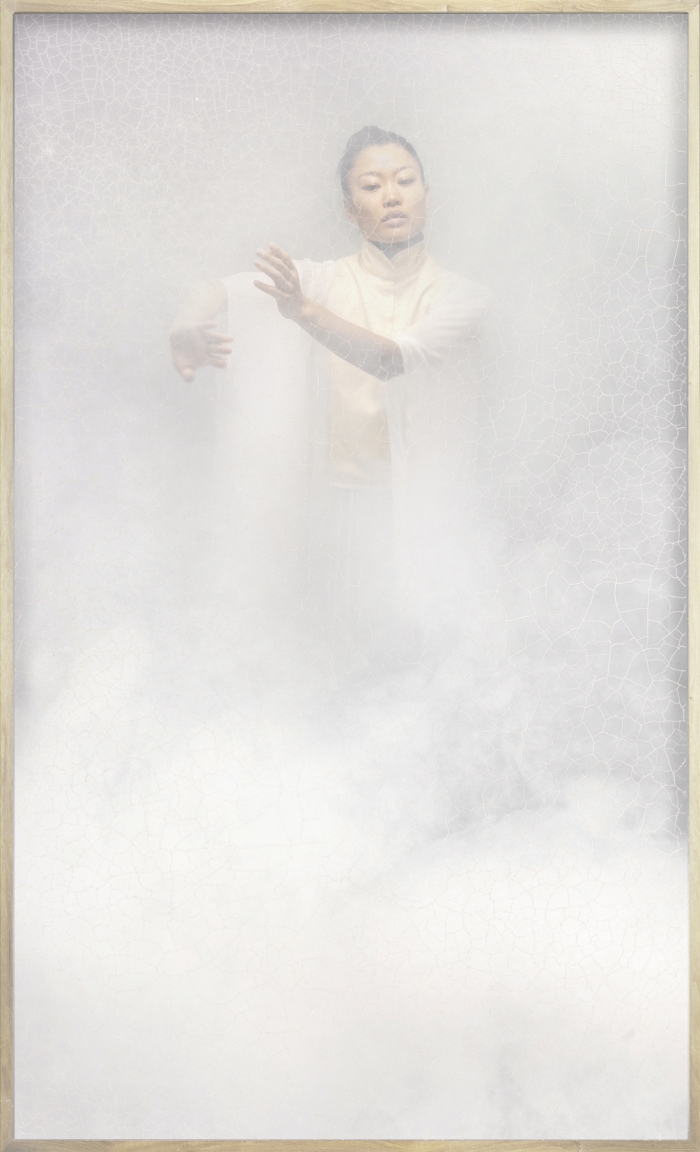
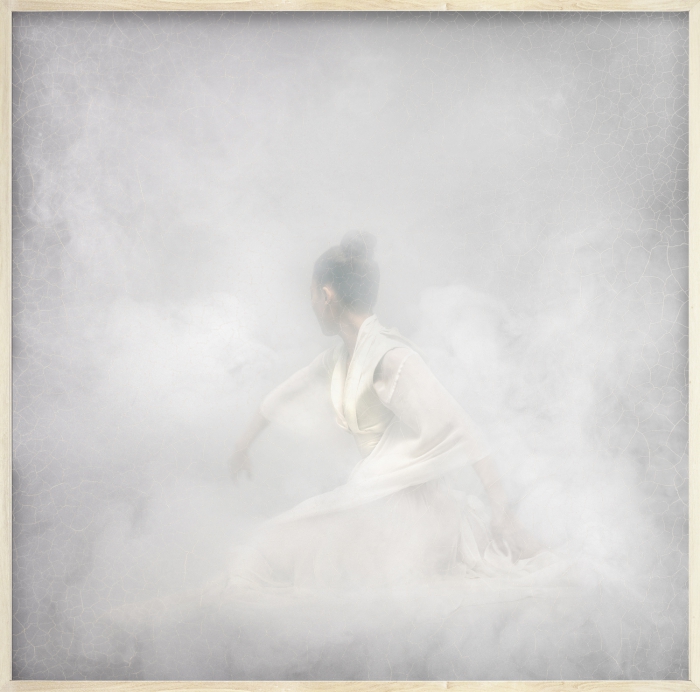
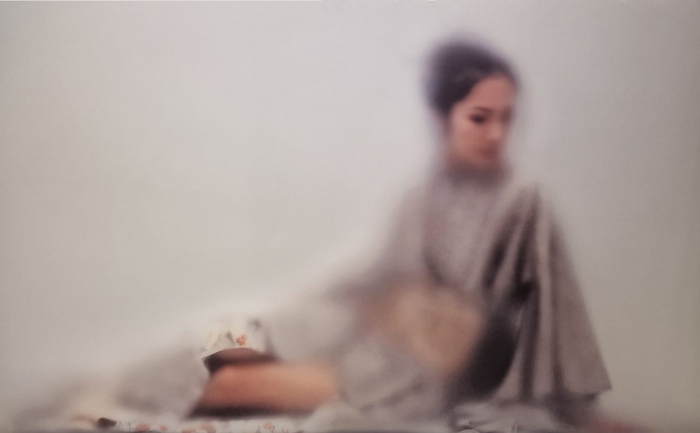
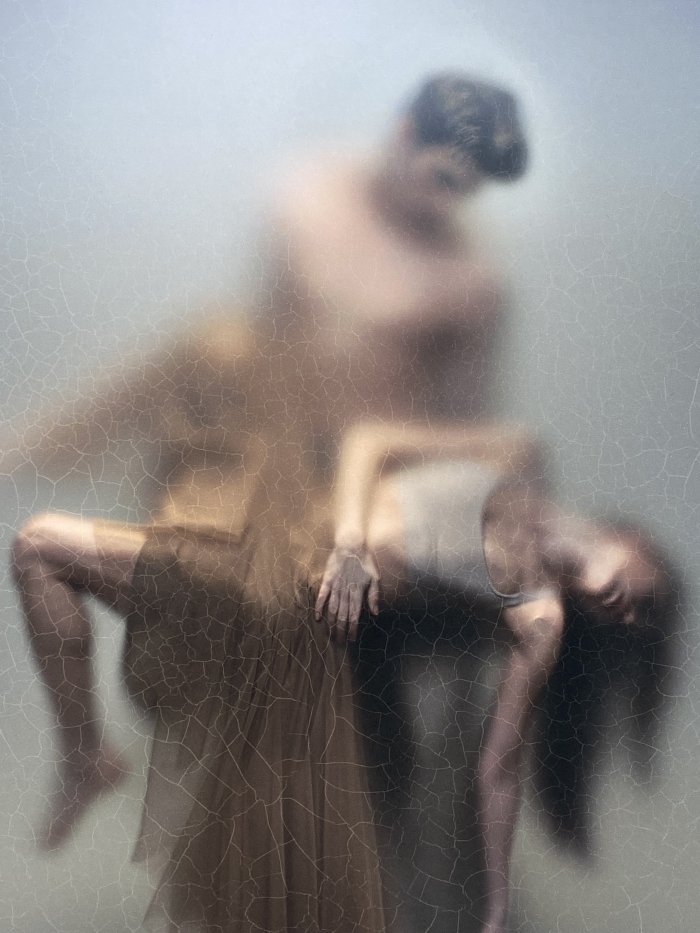
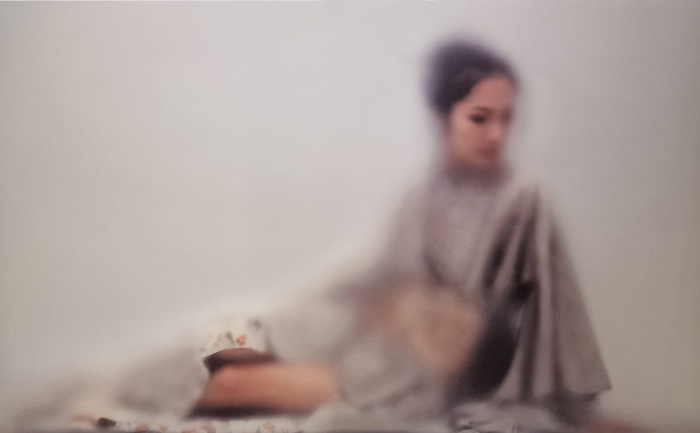
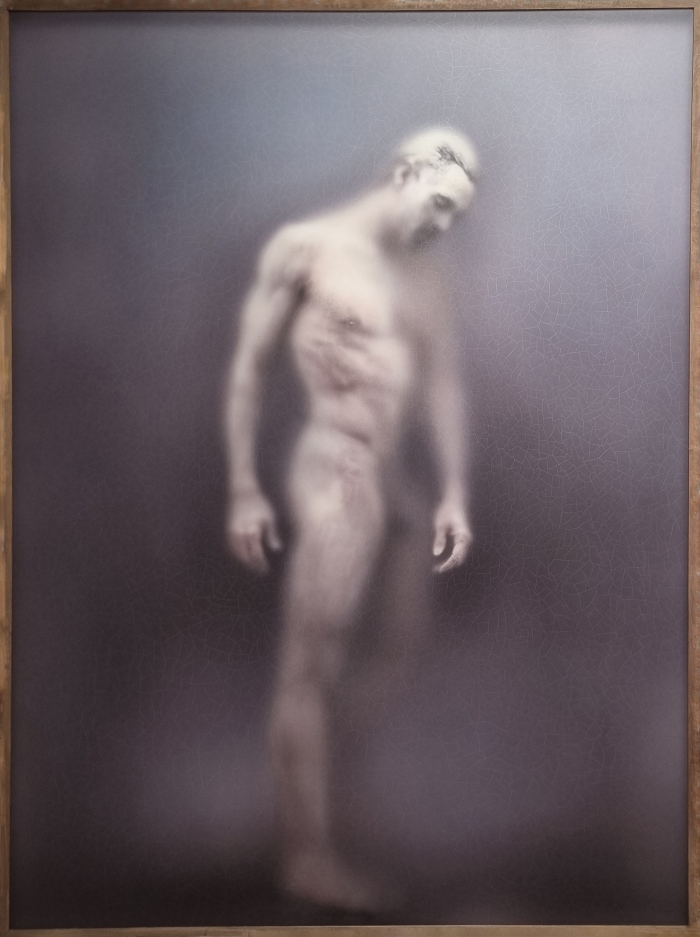
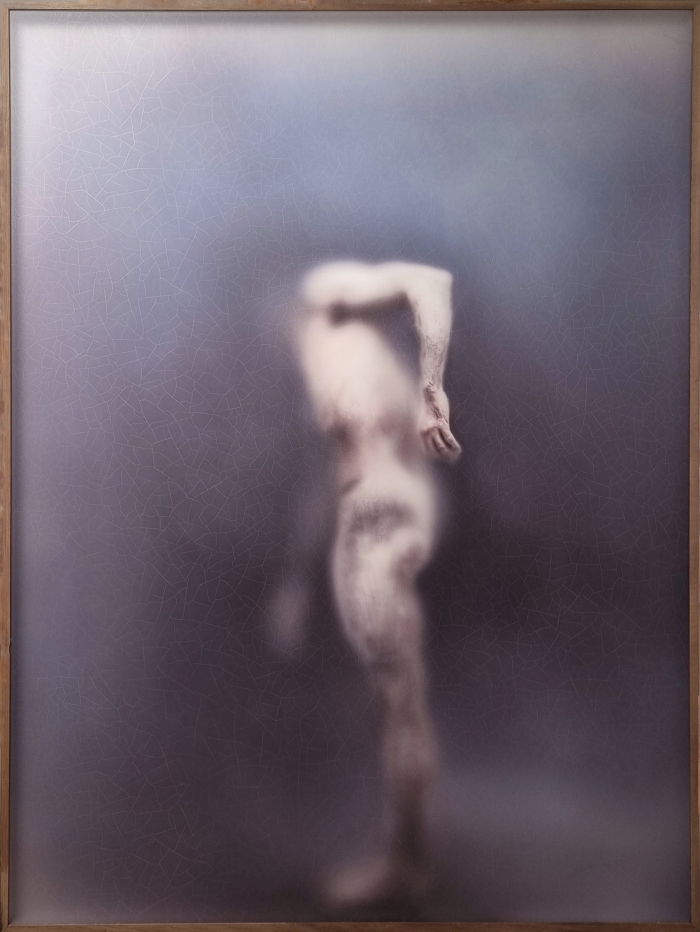
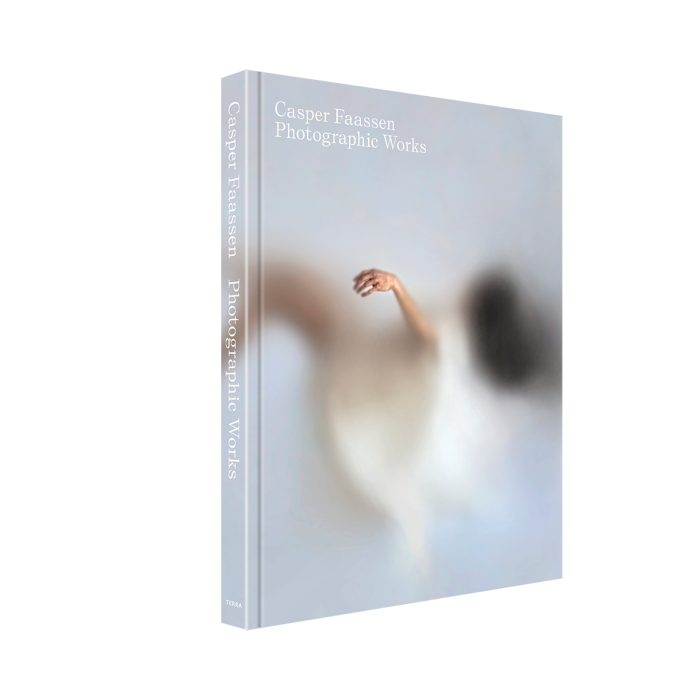
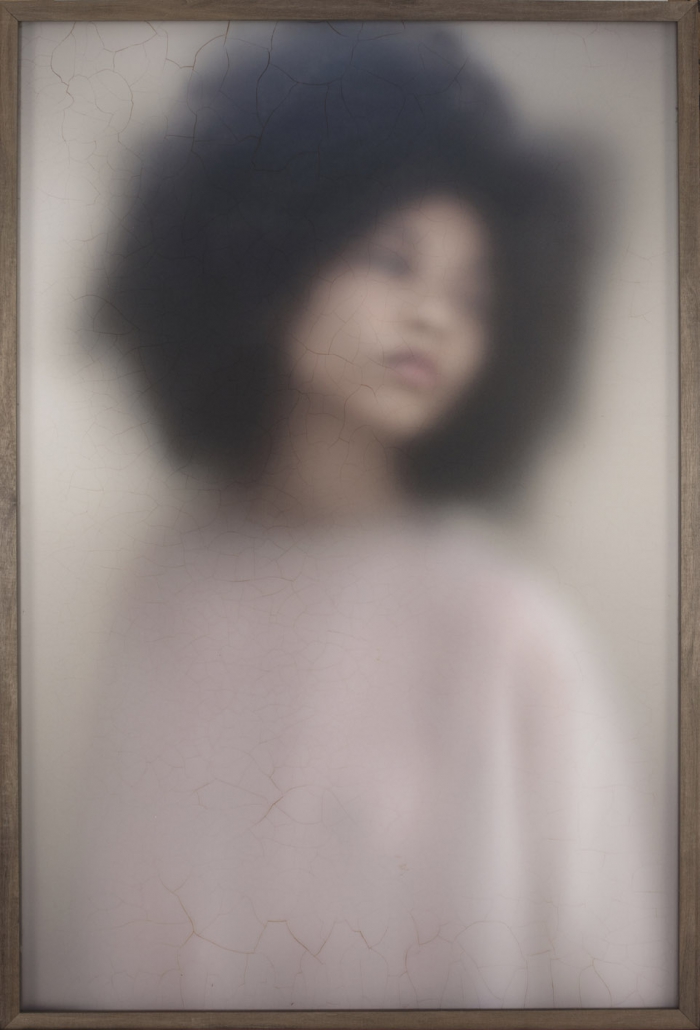
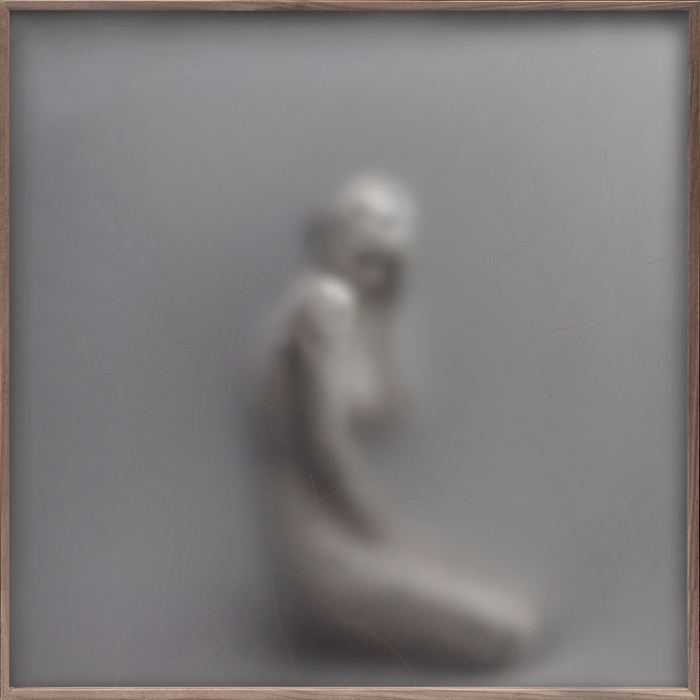
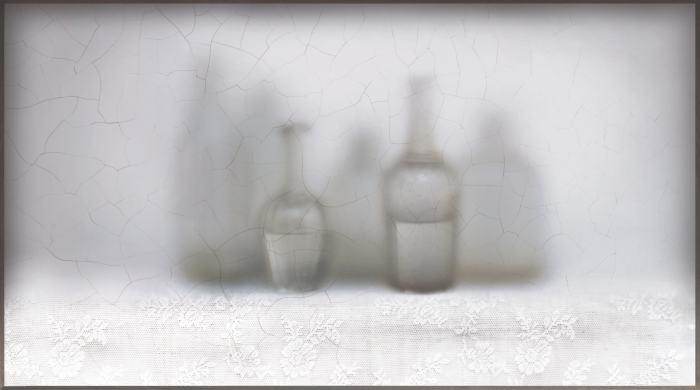
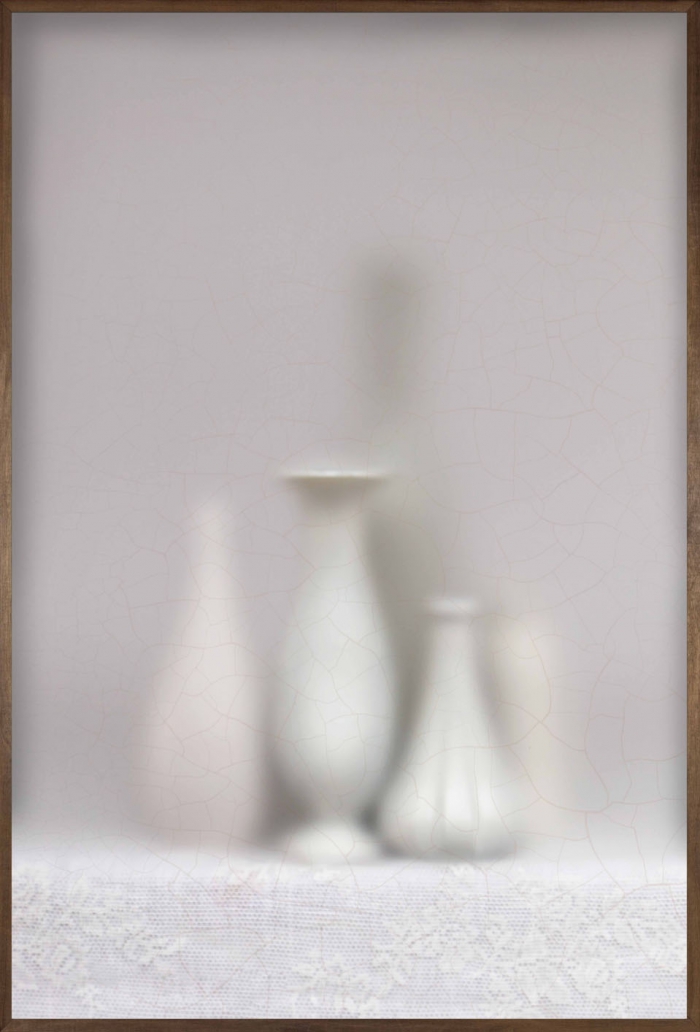
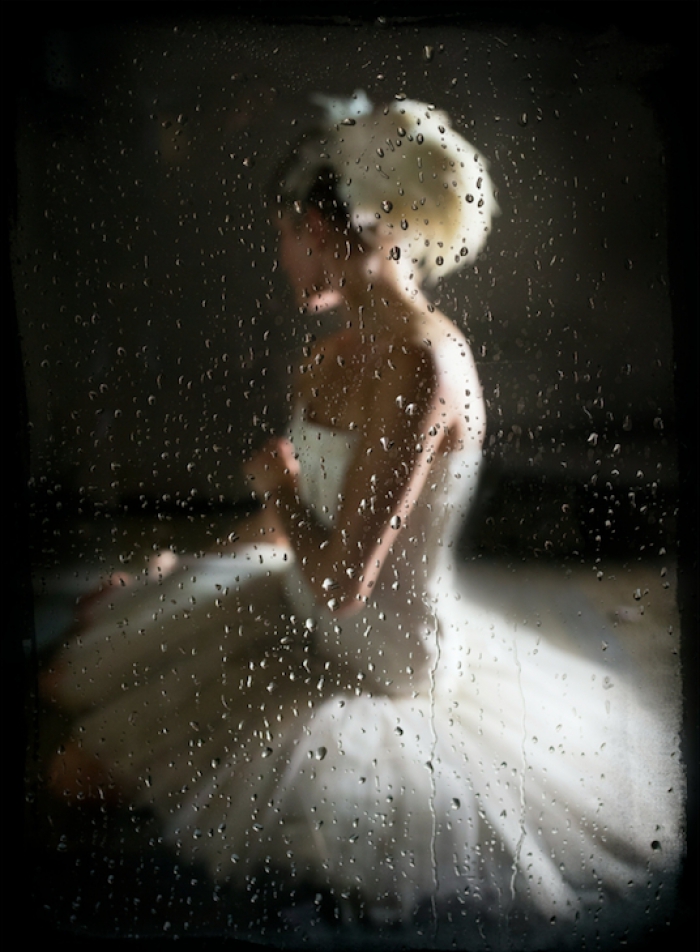
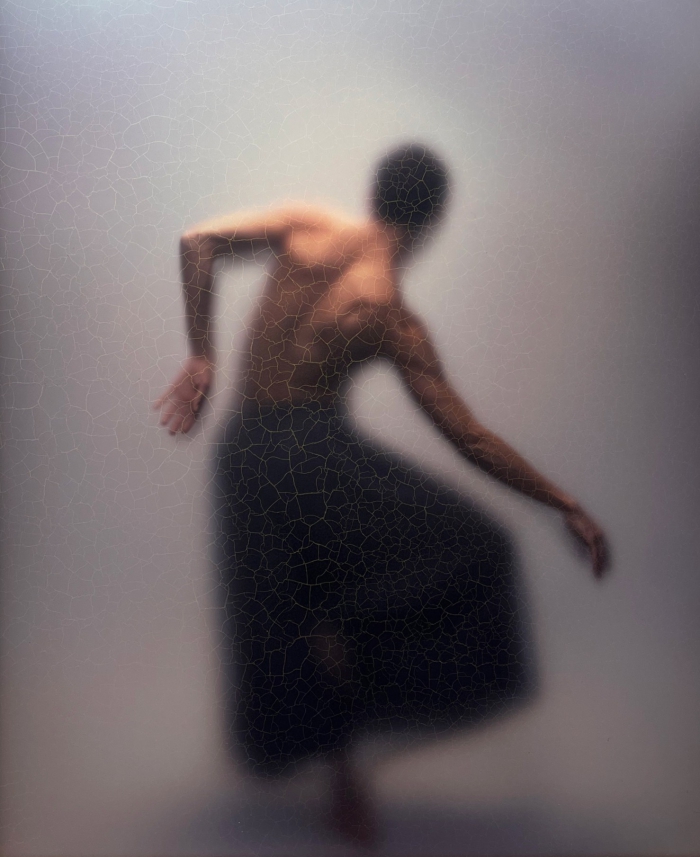
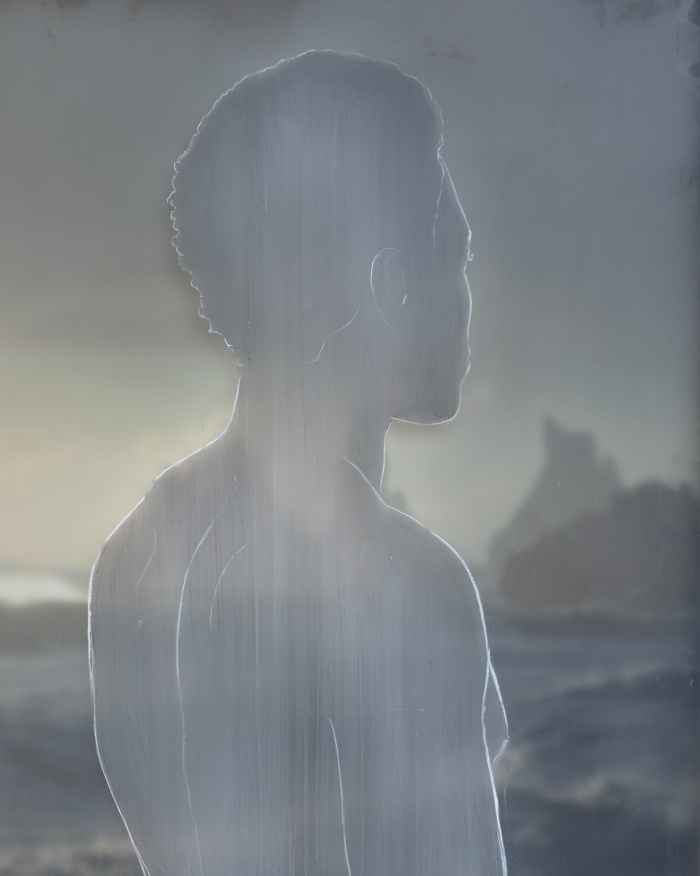
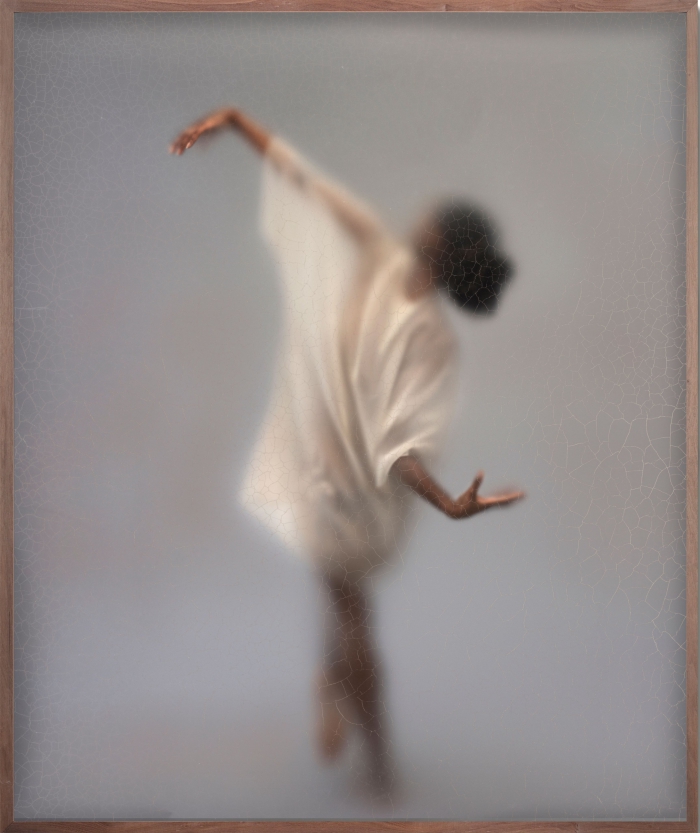
Although Faassen nowadays is more well known for his photographic work, he started his career as a painter. This still influences his work. Within his photographs he attempts to create a distance from the depicted object, similarly to how he experiences this when viewing paintings. He achieves this through an extra layer of glass or fog in between the image and the audience. Faassen further refers to painterly artworks by administering the Craquelure technique. This is an effect that traditionally appears when fast-drying acrylic paint is applied on top of slow-drying acrylic paint.
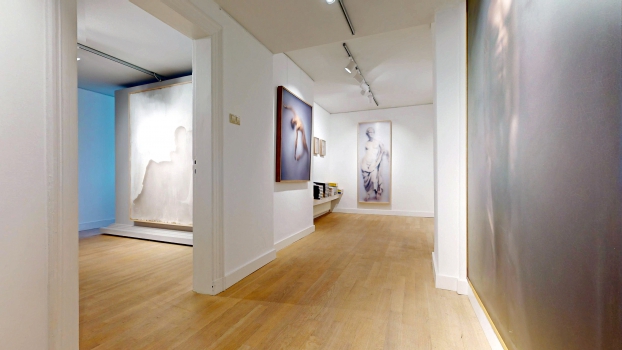
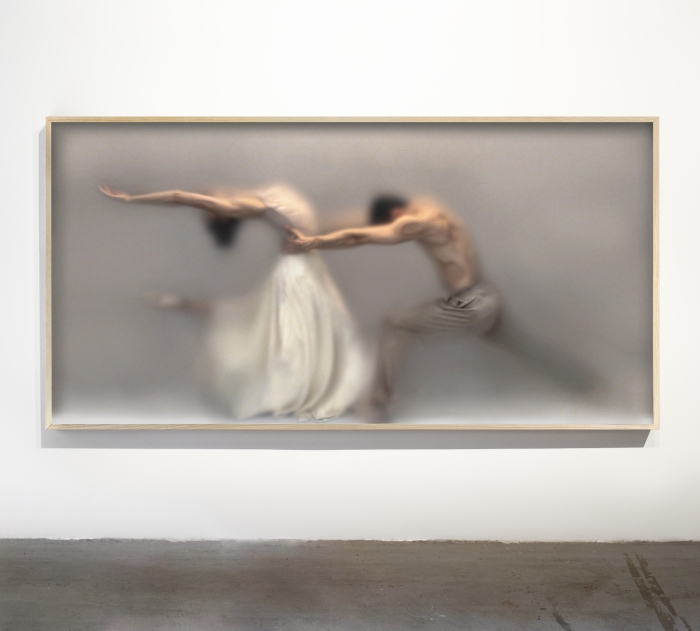
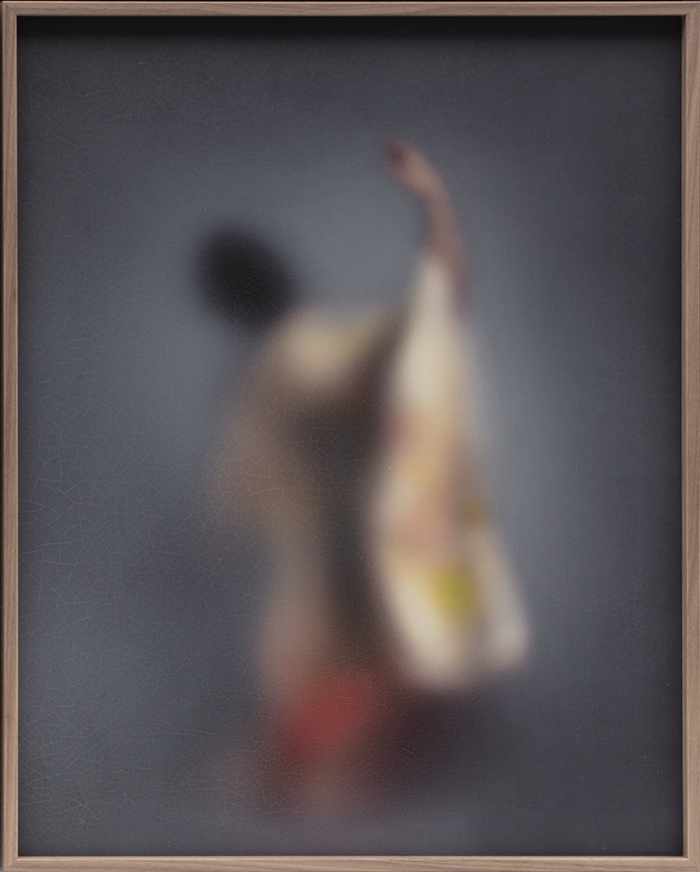
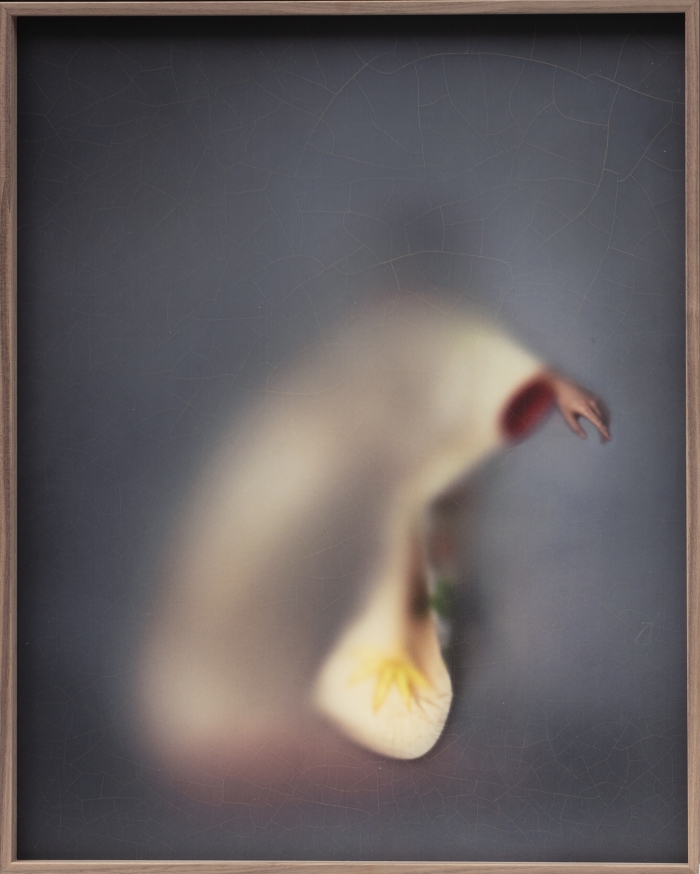
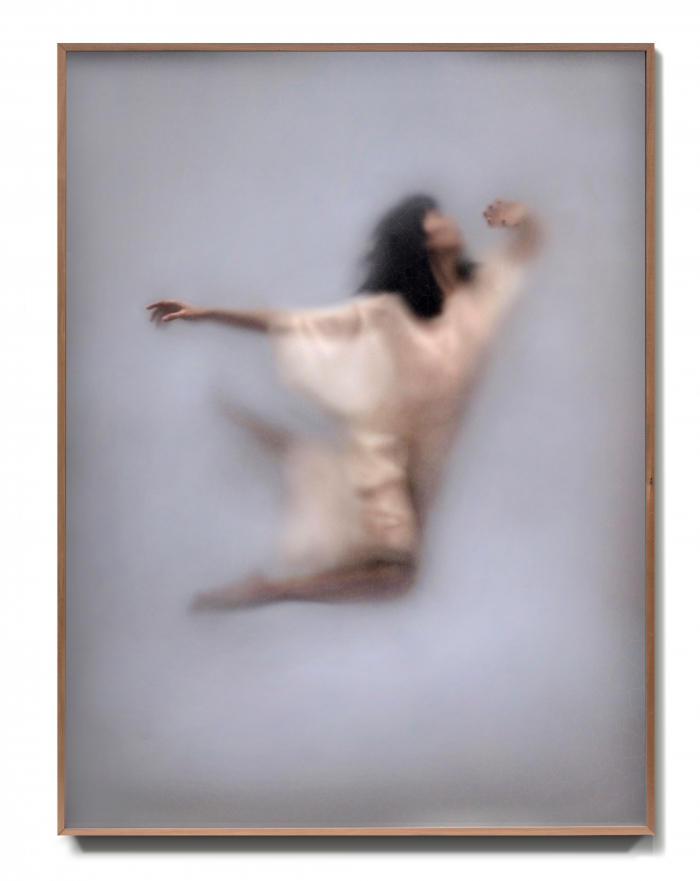
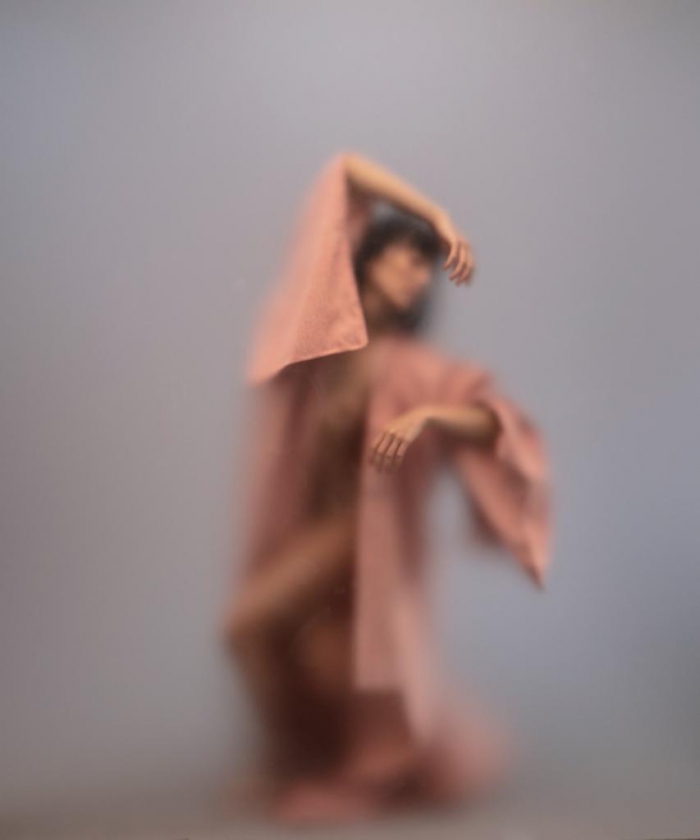
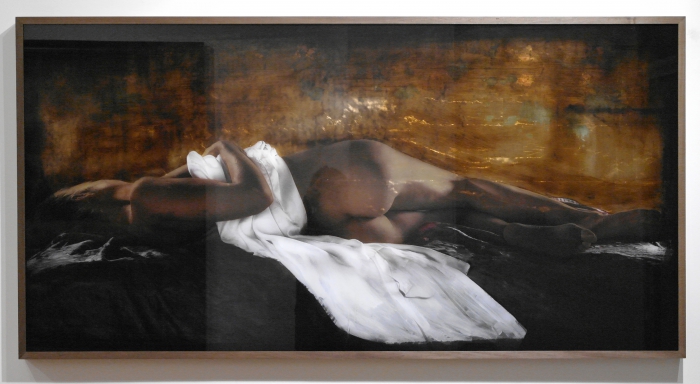
In the series ‘Les Marées’ or ‘The Tides’ Faassen collaborated with dancers from The Dutch National Ballet and The Dutch Dance Theater. This series initially was established through the organization Dance4life who asked him to photograph dancers from the National Ballet. Faassen was so inspired by this collaboration that the series ‘Les Marées’ was conceived.
Artist statement — Casper Faassen
The juxtaposition of the eternal and the temporal, beauty and decay, appearing and disappearing is my main theme. All painters and photographers have the ability to freeze time and capture a single moment. I emphasize that moment by adding an element of time – not necessarily by using literal vanitas references but through the handling of materials. The use of craquelure is my symbol for time and introduces a visual element since it is oil paint and thus sharp, contrasting with the rest of the blurry image. Most of the distance is created by the way the picture is taken, through a matte medium. I print the image on to that same matte medium giving a further sense of distance. What I also like about the craquelure is the texture it gives to the surface or skin. The work becomes more material, more substantial, pointing toward painting instead of photography and thus encouraging a different way of perceiving the work.”

 ART THE HAGUE 2024
 CASPER FAASSEN - ROOT
 Group exhibition